
Last updated November 2, 2026
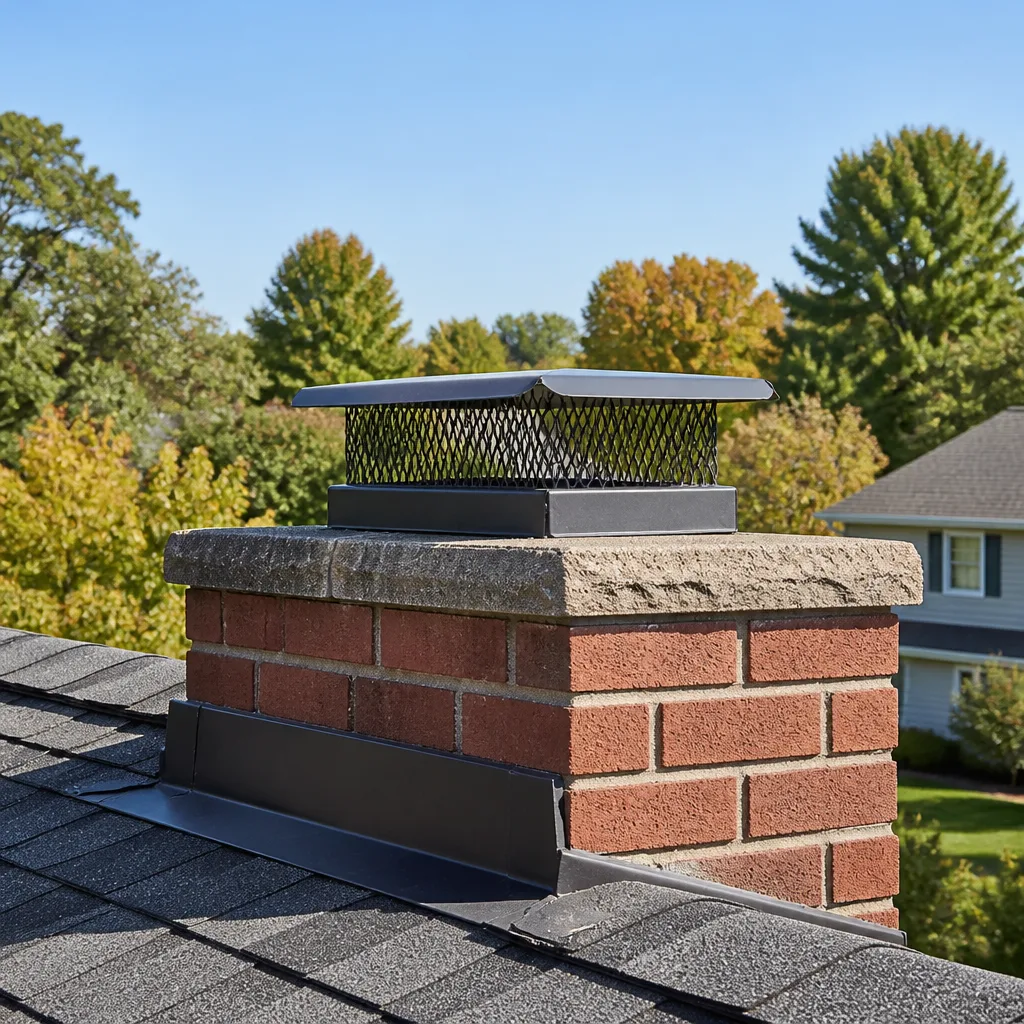 Sweep & inspection
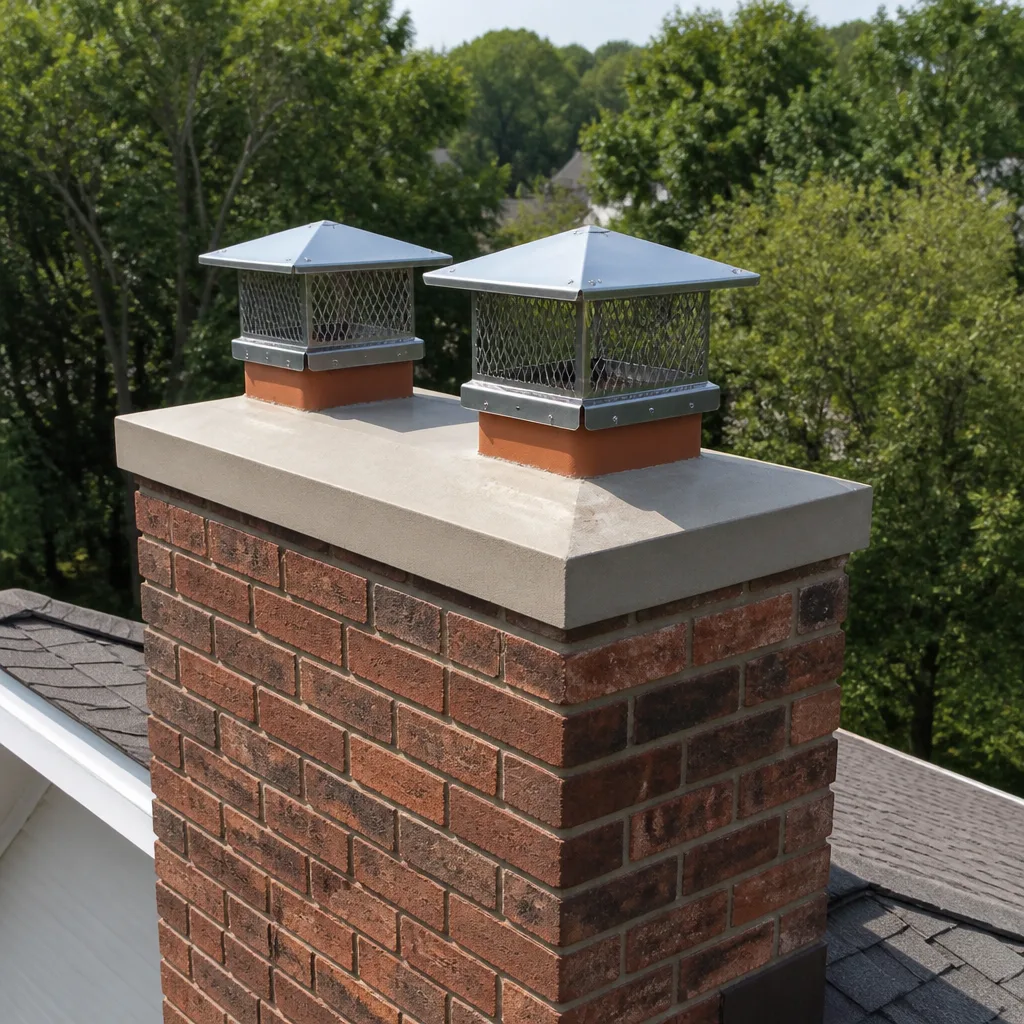 Caps & crowns
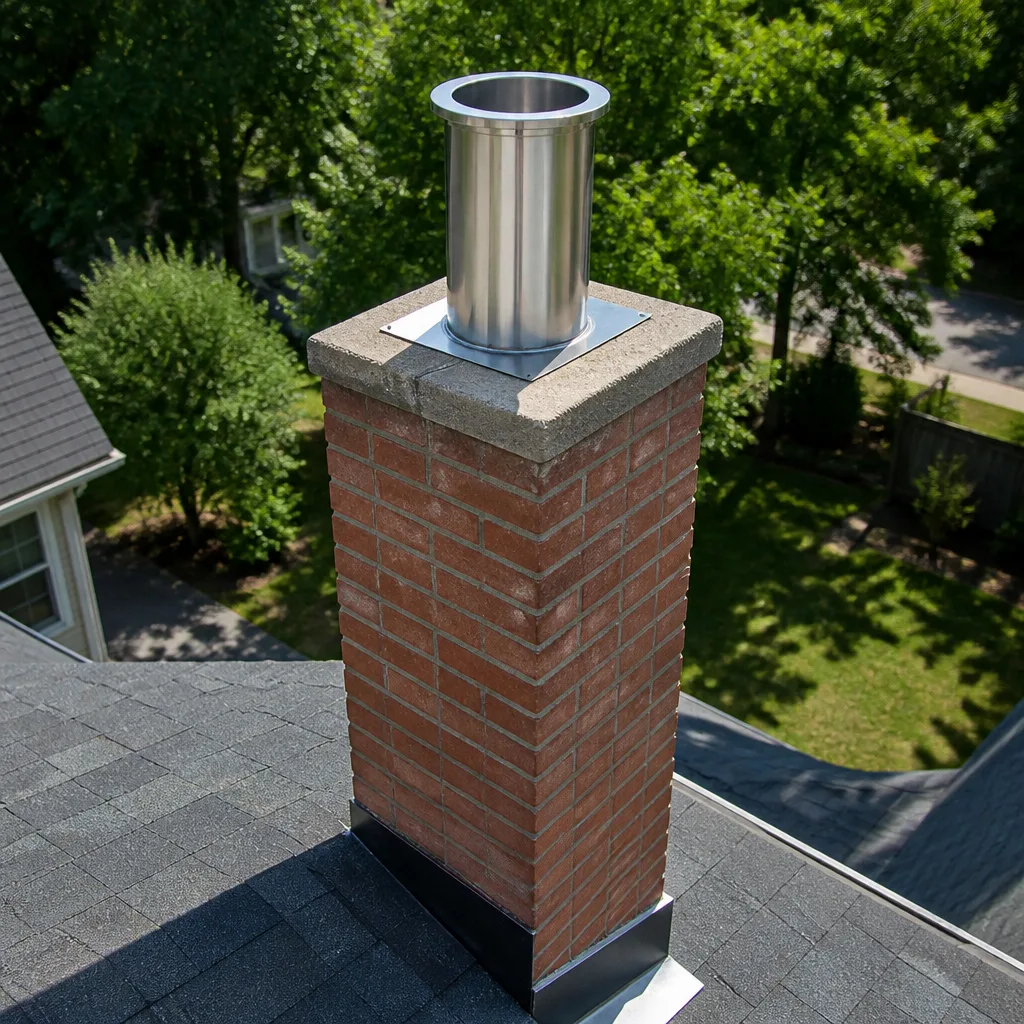 Flue relining
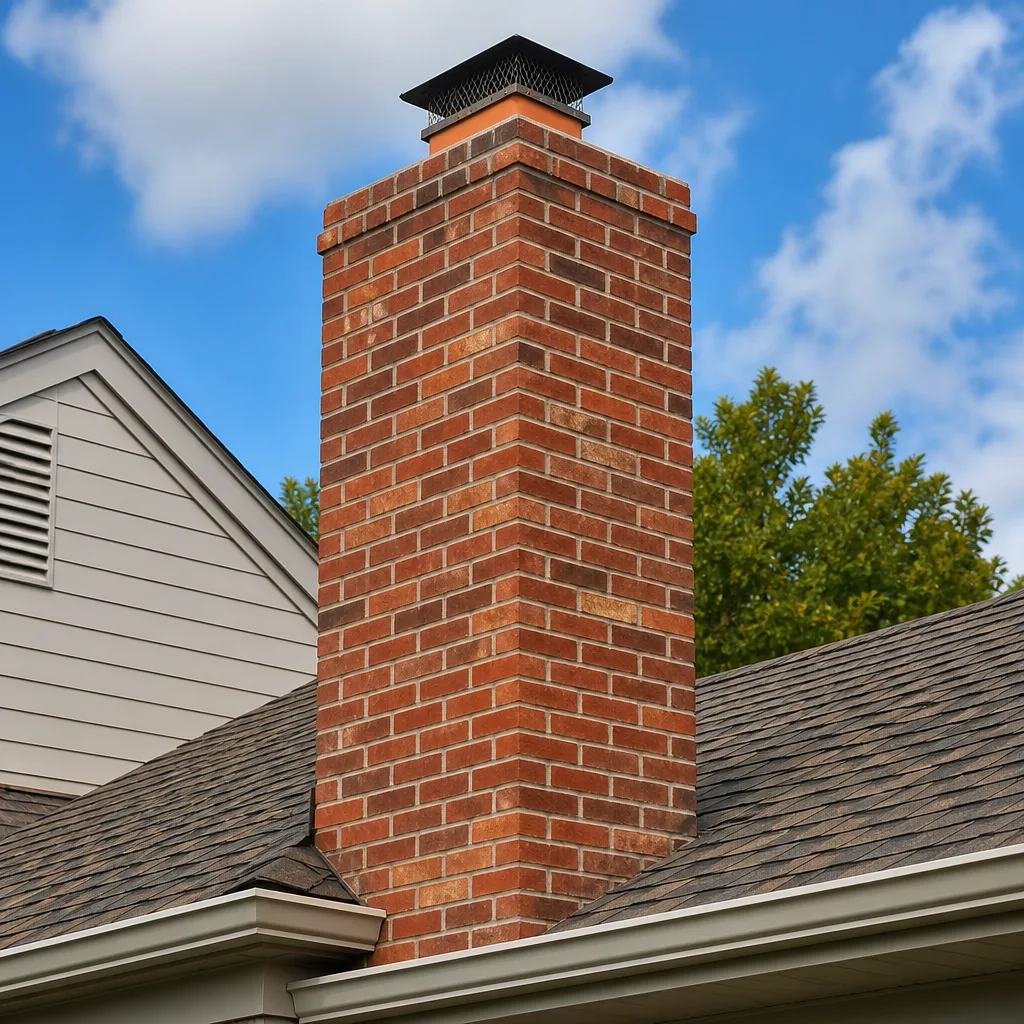 Masonry repair
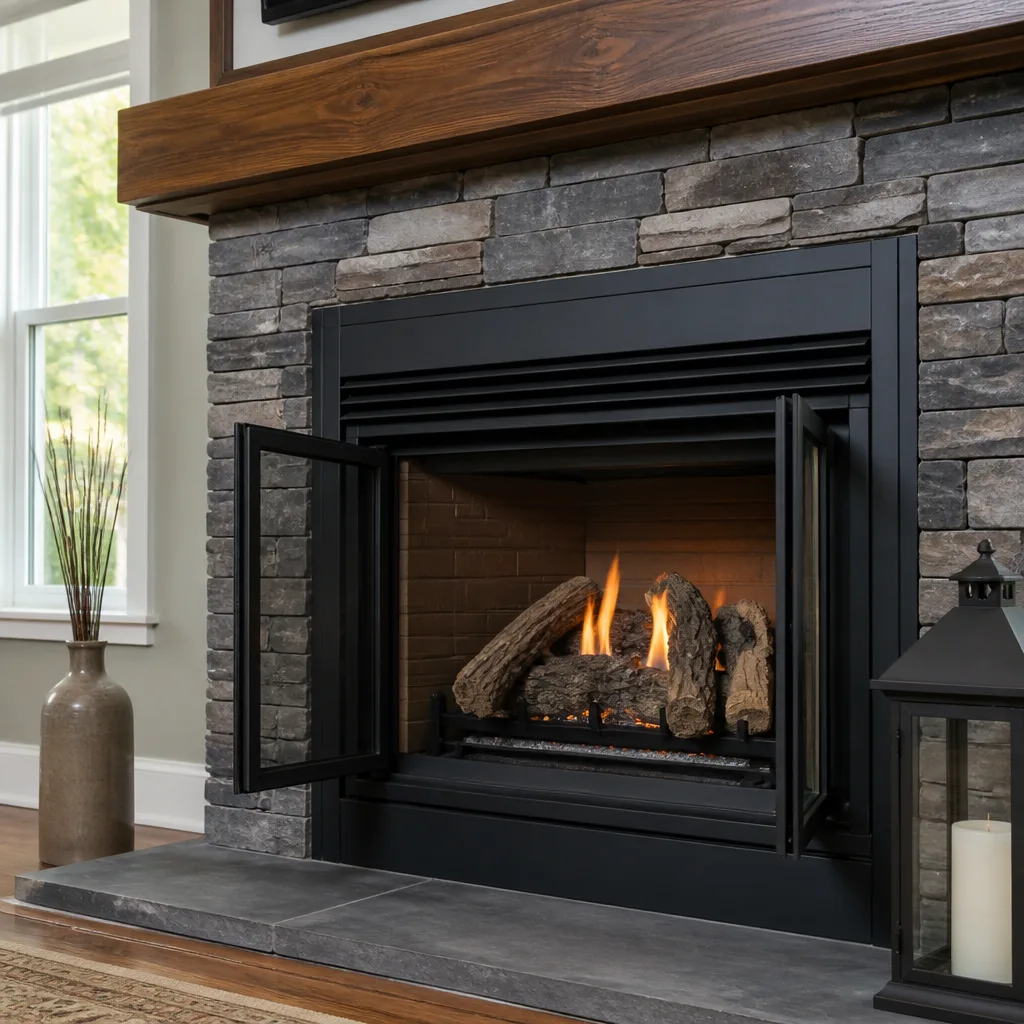 Gas fireplace service
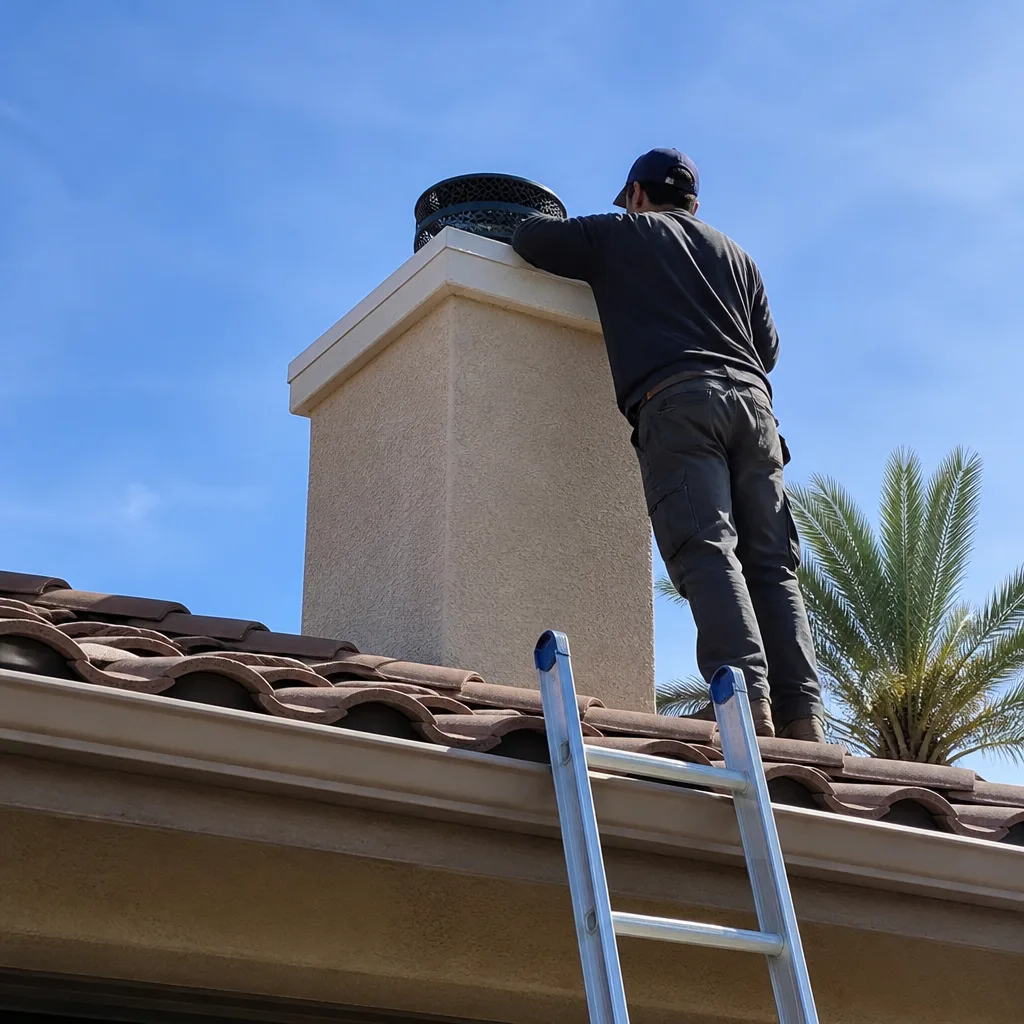
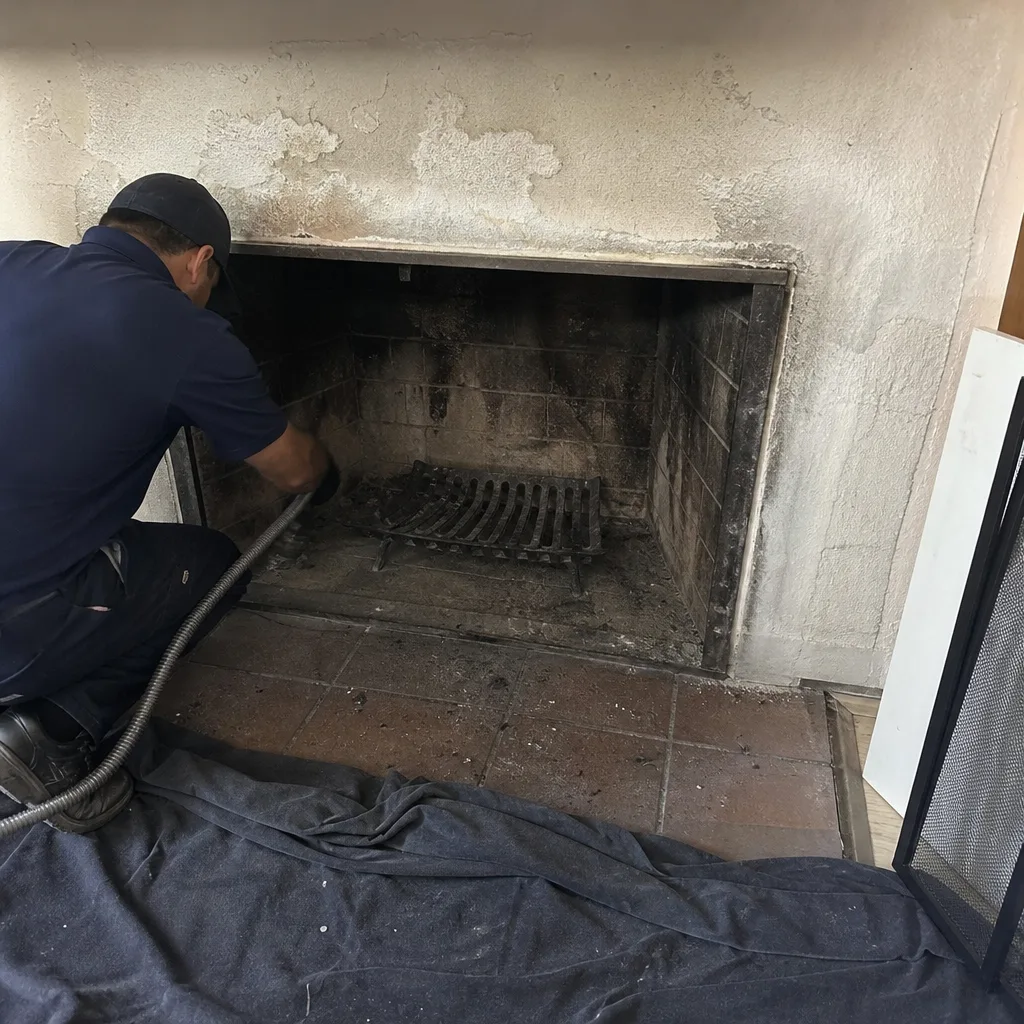
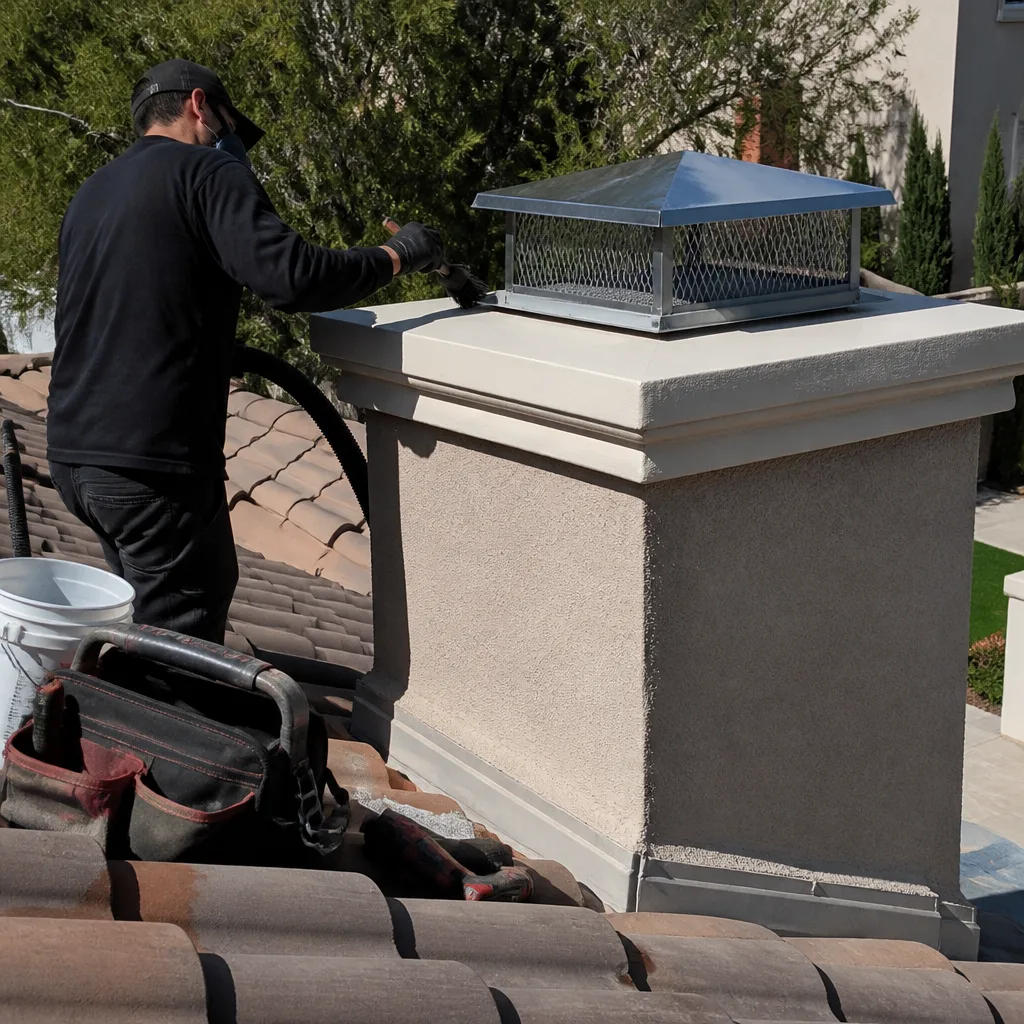
Level 1 sweep and inspection to the NFPA 211 annual standard - flue, crown, cap, and flashing checked and photographed
Chimney sweep logs do not sweep chimneys. They loosen some creosote - which then falls where a brush and vacuum still have to collect it.
Chimney Cleaning Permits, Codes & Inspections in CA: What You Need to Know
Getting your chimney cleaned is one of the few home maintenance tasks in California that doesn’t require a permit. Relining it, modifying the firebox, or adding a cap that changes flue dimensions? That’s a different story, and the distinction matters more here than in most states. California’s building code amendments and Riverside County’s local enforcement layers sit on top of national standards like NFPA 211, and the line between “routine cleaning” and “permitted modification” is where homeowners in Indio get tripped up. This guide maps exactly where that line sits, what documentation you need to keep, and how to verify work is done to the current standard, not just the code year your house was built.
Styles & brands we work with
- Sweep & inspection
- Caps & crowns
- Flue relining
- Masonry repair
- Gas fireplace service
Quick Answer
Routine chimney sweeping in California does not require a permit, but structural repairs, liner replacement or resurfacing, firebox modification, and some cap installations do. Any inspection that involves a real estate transaction or follows a chimney fire triggers a NFPA 211 Level 2 inspection under California code. Keep all receipts, photos, and permit records after any permitted work; unpermitted modifications become a title defect at resale in Indio and Riverside County. For a deeper look at what to watch for, see our Chimney Cleaning Warning Signs: An Indio Homeowner’s Reference Guide.
Table of Contents
- The Permit vs. Cleaning Line: What Actually Triggers a Permit in California
- NFPA 211 Inspections: When Level 2 Is Legally Required
- Title 24 and Your Damper: What Older Indio Homes Face
- What “Code Compliant” Actually Means on Paperwork
- Documentation to Keep After Any Inspection or Repair
- Riverside County Amendments: What Applies in Indio
- Common Mistakes to Avoid
- When to Call a Professional
- Frequently Asked Questions
- The Bottom Line
The Permit vs. Cleaning Line: What Actually Triggers a Permit in California
California Building Code (CBC) Chapter 10 governs chimneys and fireplaces. The short version: sweeping, brushing, vacuuming, and visual inspection do not require a permit. They’re considered maintenance, the same category as cleaning gutters or changing an air filter. But the moment work alters the chimney’s structure, flue dimensions, or combustion characteristics, you cross into alteration territory and CBC Section 105.1 kicks in. In Indio, we see this most often when a routine sweep reveals a cracked flue tile, and the homeowner assumes relining is just another part of the cleaning. It’s not.
Here’s the breakdown of what triggers a permit in California:
- Flue liner replacement or resurfacing. Installing a DuraFlex stainless liner or applying a HeatShield resurfacing system changes the flue’s dimensions and material. Both require a permit in Riverside County because they alter the engineered performance of the system.
- Firebox modification or rebuild. Changing the firebox opening, depth, or material isn’t cosmetic. It changes draft characteristics and clearances to combustibles. Permit required.
- Chimney cap installation that changes flue dimensions. A standard spark arrestor cap that matches existing flue size is usually fine without a permit. But if the cap design restricts draft or changes the effective flue diameter, you’re in permit territory.
- Chase cover or crown replacement. Generally considered maintenance, but if the crown rebuild changes the slope or flue height, the inspector may view it as alteration.
- Adding a damper where none existed. This is a modification to combustion air control, and California’s Title 24 energy code has specific requirements for it (covered below).
Routine sweeping in Indio, Cathedral City, La Quinta, and the rest of the Coachella Valley avoids permits precisely because nothing about the flue geometry or materials changes. But an honest sweep that uncovers a problem usually leads to a repair decision, and that’s where the paperwork question stops being academic. Our Chimney Sweep Maintenance Checklist for Indio Homeowners can help you track what’s routine and what isn’t.
NFPA 211 Inspections: When Level 2 Is Legally Required
NFPA 211 is the national standard for chimneys, fireplaces, and vents. Most states reference it; California incorporates it into CBC Chapter 10 by reference, which means it has the force of code here, not just “best practice.” There are three levels of inspection defined by NFPA 211:
- Level 1: Visual inspection of accessible portions. This is the standard annual inspection done during a routine sweep. No special equipment needed.
- Level 2: Includes everything in Level 1 plus video scanning of the flue interior, inspection of accessible attics, crawlspaces, and basements. This is required when a property changes hands, after a chimney fire, after an earthquake, or when the system has been altered.
- Level 3: Involves removing portions of the chimney or building to access concealed areas. Only triggered when a Level 2 inspection suggests a hidden hazard that can’t be assessed otherwise. This is rare and almost always follows significant fire or structural damage.
The legal trigger most Indio homeowners encounter is the real estate transaction. If you’re buying or selling in Riverside County, a Level 2 inspection is the standard due diligence item on any home with a fireplace. Sellers who skip it and then have a buyer’s inspector flag the chimney often renegotiate price or get stuck covering repairs after close. Buyers who skip it inherit whatever the previous owner decided not to disclose.
The second trigger is a chimney fire. If you’ve ever had flames in the flue, creosote ignition, or a loud roar from the fireplace that sounded like a jet engine, you’ve had a chimney fire, and NFPA 211 requires a Level 2 inspection before the system is used again. This isn’t a suggestion. Insurance companies in California routinely deny claims for chimney-related house fires when a post-event Level 2 inspection can’t be produced.
Title 24 and Your Damper: What Older Indio Homes Face
California’s Title 24 energy code is the most aggressive in the country, and it touches your fireplace in one specific way: dampers. New construction and major remodels in California must install dampers that seal tightly when closed, typically a gasketed or top-sealing design, to prevent conditioned air from escaping through the flue. The standard throat damper found in most 1970s and 1980s tract homes in Indio does not meet current Title 24 sealing requirements.
Here’s what that means in practice:
- If your home is older and you’ve never remodeled the fireplace, you’re grandfathered. Title 24 applies to new work, not existing conditions. You can’t be forced to upgrade a damper just because the code changed.
- If you’re modifying the fireplace or doing a major remodel that pulls a permit, the inspector may require the fireplace area to be brought into Title 24 compliance as a condition of final approval. That typically means installing a gasketed damper or a top-sealing cap with a damper function.
- If you’re replacing a damper anyway, you’ll need to install a Title 24-compliant unit. This is where Olympia Chimney damper hardware comes up in our work; it’s specified for exactly this requirement.
- If you’re selling, Title 24 compliance is not a retroactive requirement. But energy disclosure documents in California do ask about fireplace efficiency, and a smart buyer will use an old damper as a negotiation point.
The practical effect in Indio is mild compared to coastal California. Our climate doesn’t demand tight building envelopes the way San Francisco or Truckee does. But the code is the code, and any permitted fireplace work in Riverside County will pull the Title 24 damper requirement into scope.
What “Code Compliant” Actually Means on Paperwork
The phrase “code compliant” gets thrown around a lot by contractors, and it means less than most homeowners assume. Code compliance in California means the work meets the minimum standard of the code in effect when the permit was issued, not the code year the house was built, and not some abstract idea of “best practice.” A chimney built in 1985 met the 1985 Uniform Building Code. That doesn’t mean it’s unsafe in 2026, but it also doesn’t mean the current owner can claim it’s up to current code.
When a contractor in Indio writes “installed to code” on an invoice, here’s how to verify it:
- Ask which code edition. The current standard is CBC 2022, with the 2025 supplement coming into effect on a rolling basis. If the contractor can’t name the edition, they’re using the phrase as filler.
- Ask for the permit number. In Riverside County, permitted chimney work generates a record with the Building and Safety Department. It’s public record. If there’s no permit number, there’s no independent verification the work met anything.
- Check the materials against manufacturer specs. A DuraFlex liner or HeatShield resurfacing job has published installation requirements from the manufacturer. Code compliance means the installation followed those requirements, not just that the product was used.
- Look for the final inspection sign-off. A permit pulled but never closed is a problem. The work isn’t legally complete until the final inspection passes and the permit is closed out. In Indio, open permits show up on title searches and can delay a sale indefinitely.
In our experience, the most common gap is work done under an open permit that was never finalized. The homeowner assumes the permit means the work is verified. It isn’t. The final inspection is what verifies it. Open permits linger on Riverside County title records and become a surprise at escrow, sometimes years after the work was completed.
Documentation to Keep After Any Inspection or Repair
California homeowners don’t have a centralized chimney registry, and neither do Riverside County or the City of Indio. The burden of documentation falls on you, and the time to organize it is the day the work is done, not the day you list the house. Here’s what to keep in a folder, physical or digital, for as long as you own the home:
- All inspection reports, including photos and video. A Level 2 camera scan produces a video file. Save it. It’s the single most useful piece of evidence when a buyer’s inspector disagrees with your chimney’s condition.
- Receipts and invoices, with line items. “Chimney repair – $4,200” tells a future buyer nothing. A line-item invoice showing a DuraFlex liner, model number, and installation date tells them everything.
- Permit number and final inspection sign-off. The Riverside County record is technically public, but you don’t want to rely on a county clerk finding it during escrow. Keep your own copy.
- Manufacturer warranty cards and registration. Many liner and cap warranties require registration within 30 days of install. Miss it, and the warranty evaporates.
- Before-and-after photos. Cell phone photos of the firebox, damper, and cap before and after work provide evidence of what was done and when.
- The contractor’s business license and any applicable certifications. California requires contractors performing chimney work over $500 to hold a C-61/D-34 specialty license from the CSLB. Note that a handyman license does not cover this scope.
None of this is legally mandated. But in practice, a home with a complete chimney documentation file sells faster in Indio than one without, and the seller who can produce a two-year-old camera scan video rarely loses a negotiation over chimney condition. Homebuyers in Riverside County are increasingly using chimney inspections as a closing condition, and the seller with paperwork walks away with more money. Browse our more guides & resources for additional homeowner tools.
Riverside County Amendments: What Applies in Indio
Riverside County adopts the California Building Code with local amendments, and some of them touch chimneys directly. The county is a high-fire-risk zone, and while Indio proper sits in the valley floor rather than mountain interface, the county’s amendment language applies to all unincorporated and incorporated areas within its jurisdiction.
The relevant local amendments for chimney work in Indio:
- Spark arrestor requirements. Riverside County follows California’s statewide spark arrestor mandate: any fireplace in a designated fire hazard severity zone must have an approved spark arrestor with mesh openings no larger than 1/2 inch. The fire hazard maps have expanded repeatedly, and many Indio homeowners are surprised to find themselves in a zone they weren’t in five years ago.
- Clearance verification on alteration. When a permit is pulled for chimney alteration, the Riverside County inspector will verify clearances to combustibles per current CBC, not the code the house was built under. This is where older Indio homes with smaller clearances run into problems. A liner replacement that’s fine under the old code may fail inspection if the framing is too close to the flue.
- Wildland-urban interface (WUI) building standards. Areas mapped as WUI require specific ember-resistant construction on exterior penetrations, including chimney chase tops and cap assemblies. Not all of Indio is WUI, but the mapping is specific enough that a permit might trigger WUI requirements on one street and not the next.
None of this changes the permit vs. no-permit line established by the state code. What it changes is what the inspector looks for when a permit is pulled. A chimney cleaning in Indio with no permit triggers none of this. A liner replacement with a permit triggers all of it. That’s the distinction homeowners need to carry into the decision.
Common Mistakes to Avoid
- Assuming cleanings and repairs are the same category. They’re not. A sweep is maintenance. A reline is alteration. Treating them as the same thing leads to unpermitted work that bites at resale.
- Skipping the Level 2 inspection during a home sale. In Riverside County real estate, a buyer’s inspector will eventually flag the chimney. The seller who preemptively orders a Level 2 inspection controls the narrative and the repair budget.
- Using a chimney fire as the reason for a quick reline without an inspection. Any chimney fire requires a Level 2 inspection before repair. Repairing first and inspecting later is backwards, and it voids the insurance company’s expectation of documentation.
- Paying for “code compliant” work without a permit number. If the words “code compliant” appear on an invoice but no permit number does, treat the phrase as meaningless. Verify everything against the Riverside County record.
- Replacing a damper with whatever is at the hardware store. Title 24 damper requirements apply to new work in California. A cheap non-gasketed damper from a big-box store isn’t compliant and will fail inspection if the job is permitted.
- Ignoring the spark arrestor requirement until it’s too late. Fire hazard severity maps in Riverside County have changed, and the spark arrestor requirement follows the map, not the house’s construction date. Check your zone before fire season, not after a citation.
- Losing the camera scan video. A Level 2 inspection video is the best evidence you have of your chimney’s condition. Losing it costs you real money in negotiation the next time you sell.
When to Call a Professional
Any time a visual inspection suggests flue damage, you need a professional with camera equipment to determine what’s actually happening. Cracked flue tiles, spalling mortar, a damper that won’t seal, or creosote buildup thicker than 1/8 inch are all signals that a Level 2 inspection is warranted. The same goes for any chimney fire, any earthquake (we get them in Indio, and chimneys are the first thing to crack), or any time you’re preparing to sell a home in Riverside County and want the inspection done before the buyer’s inspector shows up. Chimney Sweep Indio offers free estimates in Indio, call (877) 378-2419 to schedule a sweep and inspection. For the full scope of what we handle, see our Chimney Sweep in Indio page. If an inspection turns up damage that needs repair, we reline with DuraFlex and resurface with HeatShield, and we’ll walk you through the permit process as part of the job. Our Chimney Repair in Indio service covers everything from crown rebuilds to full relines. And while we’re there, we’ll take a look at your dryer vent too, because Dryer Vent Cleaning in Indio is the same category of problem: combustion risk that a visual inspection catches early.
Frequently Asked Questions
No. Routine chimney sweeping is classified as maintenance, not alteration, and requires no permit from the state, Riverside County, or the City of Indio. The moment the work involves relining, firebox modification, or a cap that changes flue dimensions, the permit requirement activates.
Chimney sweeping in Indio typically runs between $150 and $300 depending on flue condition, accessibility, and whether the firebox has heavy creosote or glazed buildup. A Level 2 camera inspection adds $100 to $250 on top of the sweep. Call (877) 378-2419 for an exact quote, estimates are free.
Three events legally trigger a Level 2 inspection under NFPA 211 as adopted by California: a real estate transaction, a chimney fire, and any alteration to the chimney system. An earthquake, which happens in the Coachella Valley, falls under the alteration category if structural movement is suspected.
If your home falls within a Riverside County fire hazard severity zone, yes, with mesh openings no larger than 1/2 inch. The zone maps have expanded over the past decade, and many Indio addresses are now included. Check the current Riverside County mapping or have a sweep verify compliance at your next cleaning.
Unpermitted chimney work becomes a title defect at escrow. The buyer’s title search will flag open permits or unpermitted alterations, and you’ll renegotiate price or fix the issue before closing. Permitted work with a closed final inspection clears escrow without friction. Call (877) 378-2419 if you need work brought into compliance before listing.
HeatShield resurfacing is classified as an alteration because it changes the flue’s interior surface and affects draft characteristics. It requires a permit in Riverside County. The work itself is faster and less invasive than a full reline, but the paperwork is the same category. We use HeatShield because it’s what many flue repairs actually require, and we handle the permit as part of the job.
The Bottom Line
The permit line in California is cleaner than most contractors make it sound. Cleaning, no permit. Alteration, permit. The complications come from the edge cases: caps that change flue dimensions, damper replacements that pull in Title 24, spark arrestor retrofits driven by fire hazard maps, and the Level 2 inspection triggers that catch people off guard during escrow. The homeowner who understands this framework before the sweep begins makes better repair decisions, keeps better records, and avoids the unpermitted-work surprises that resurface at resale. If you’re in Indio and your fireplace hasn’t been inspected in the last two years, start with a sweep and visual inspection. You’ll learn what the next step is, and whether a permit belongs in the picture. Start with the Chimney Sweep Indio home page to see the full service scope, then call (877) 378-2419 for a free estimate.
Written by the team at Chimney Sweep Indio, serving Indio since 2015.
See the difference
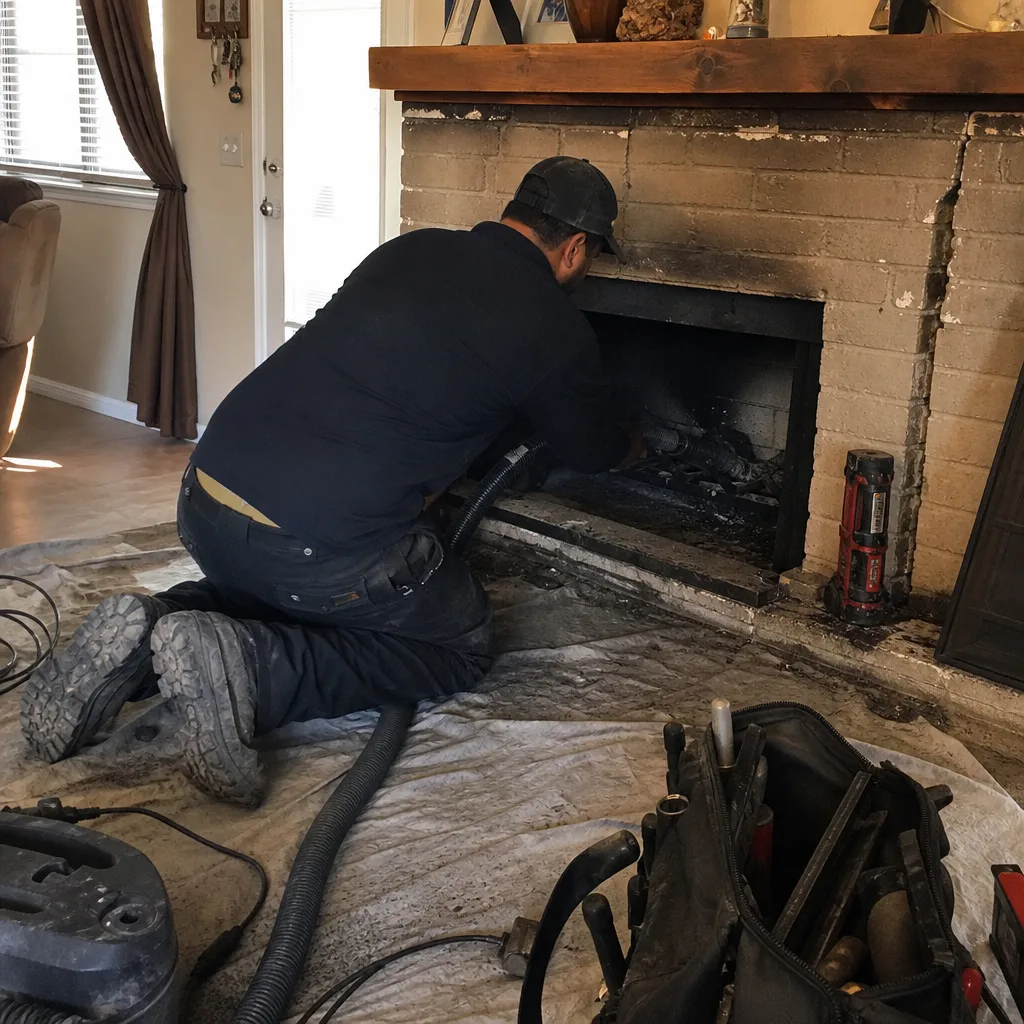 Before
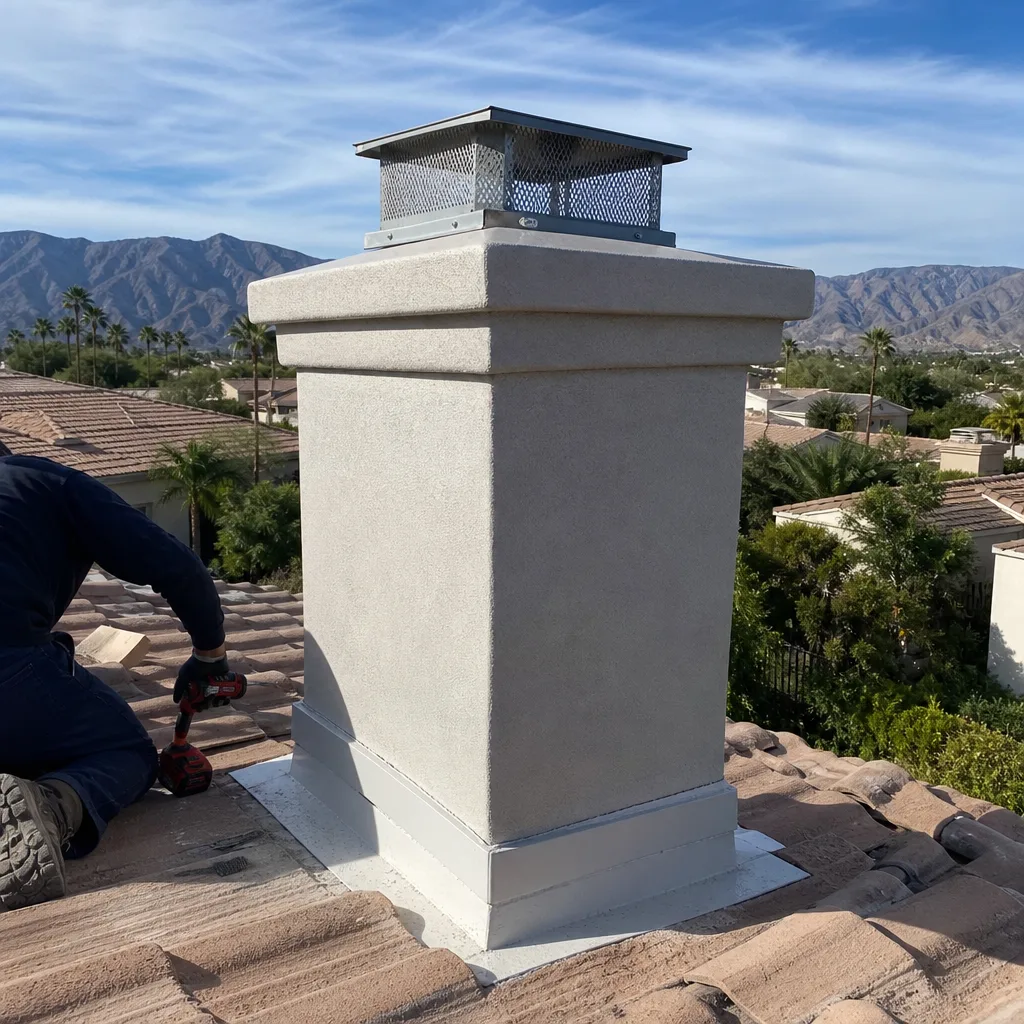 After
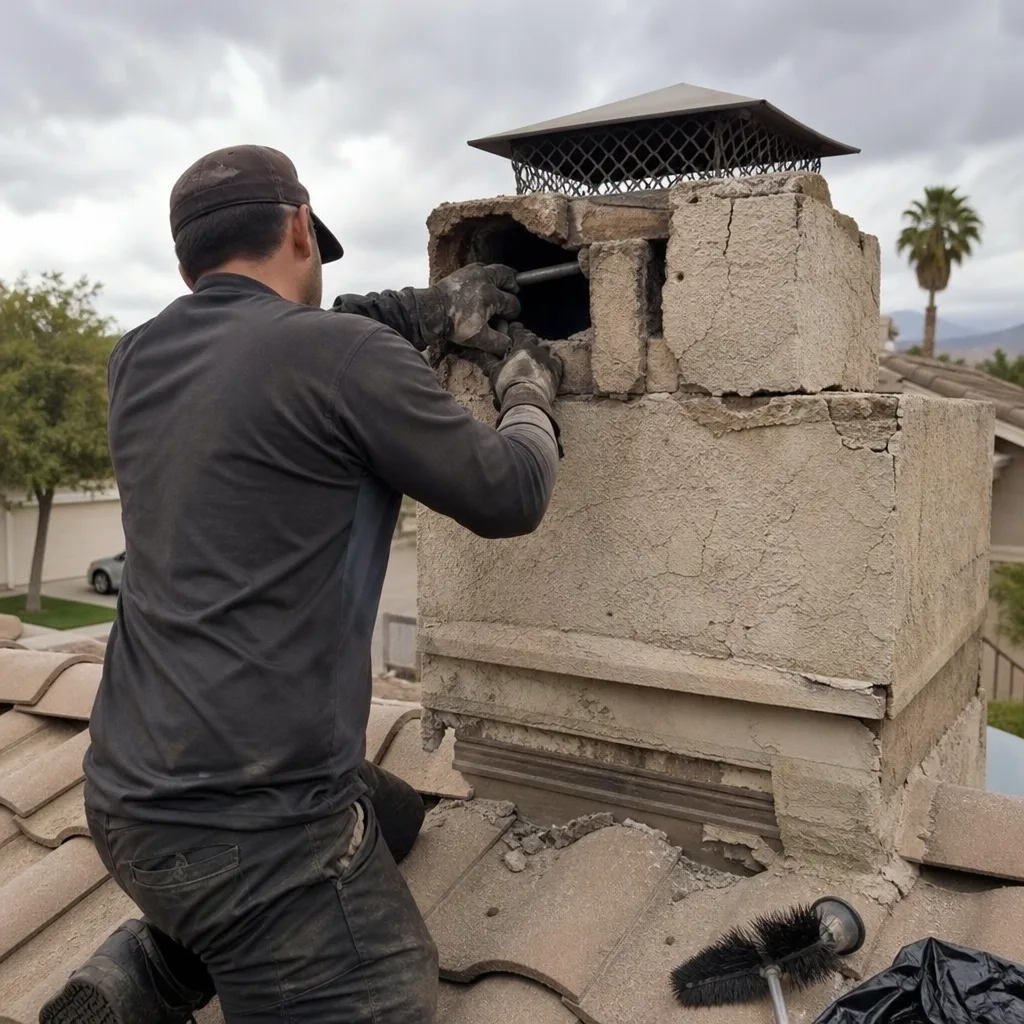 Before
 After
 Before
 After