
Last updated November 2, 2026
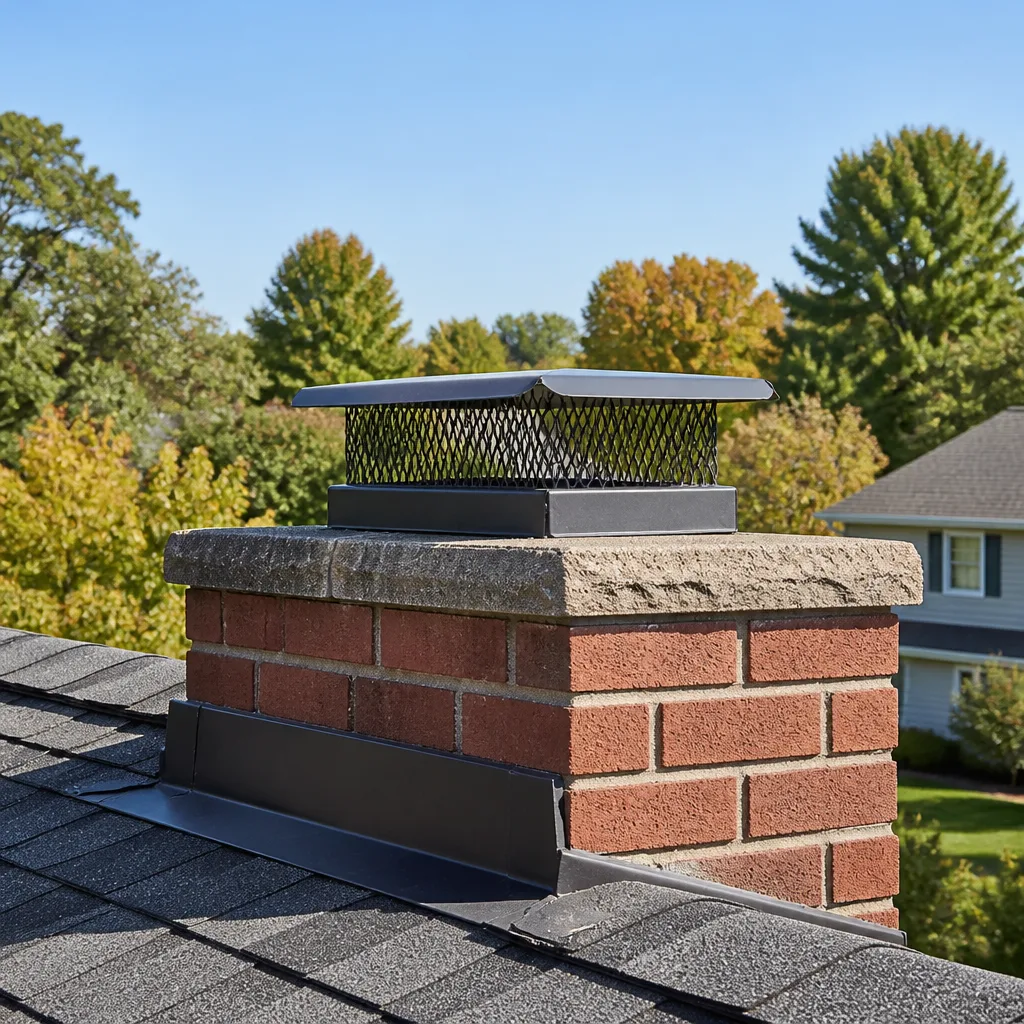 Sweep & inspection
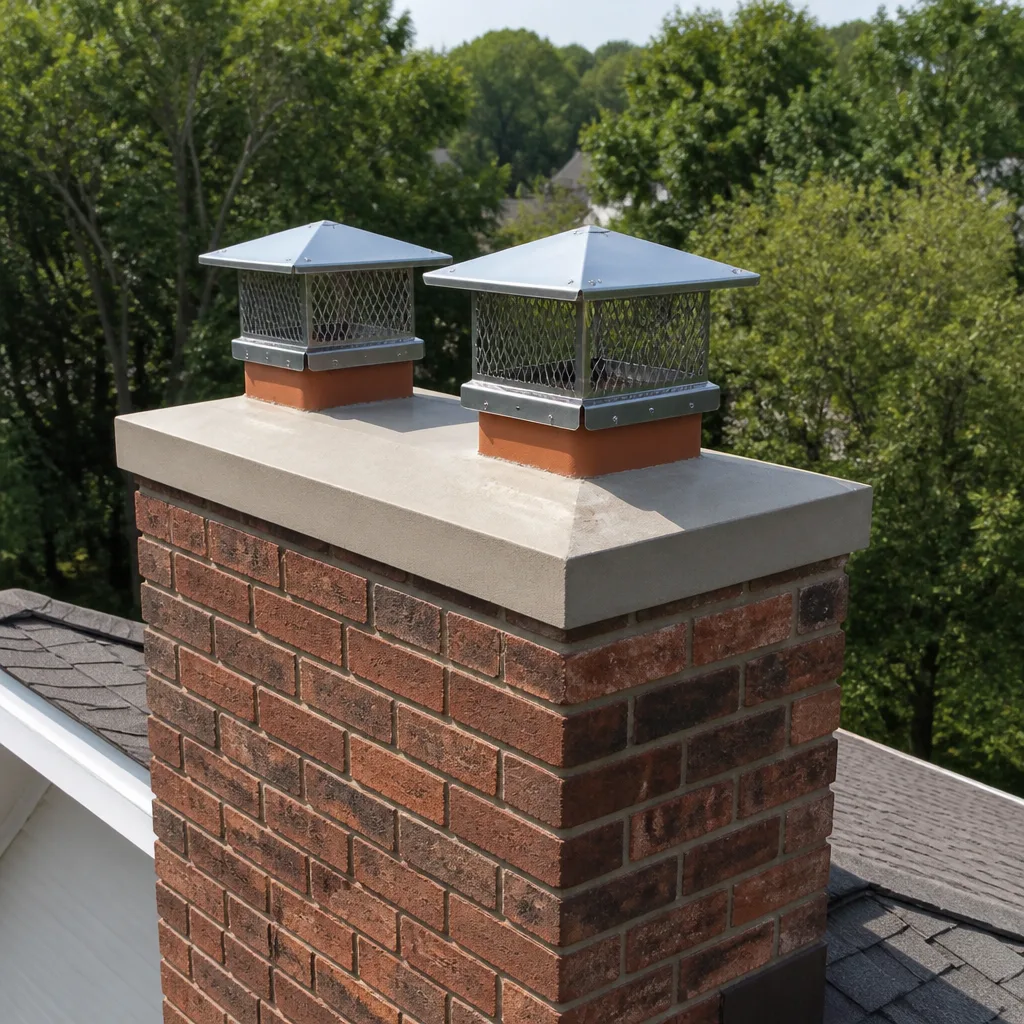 Caps & crowns
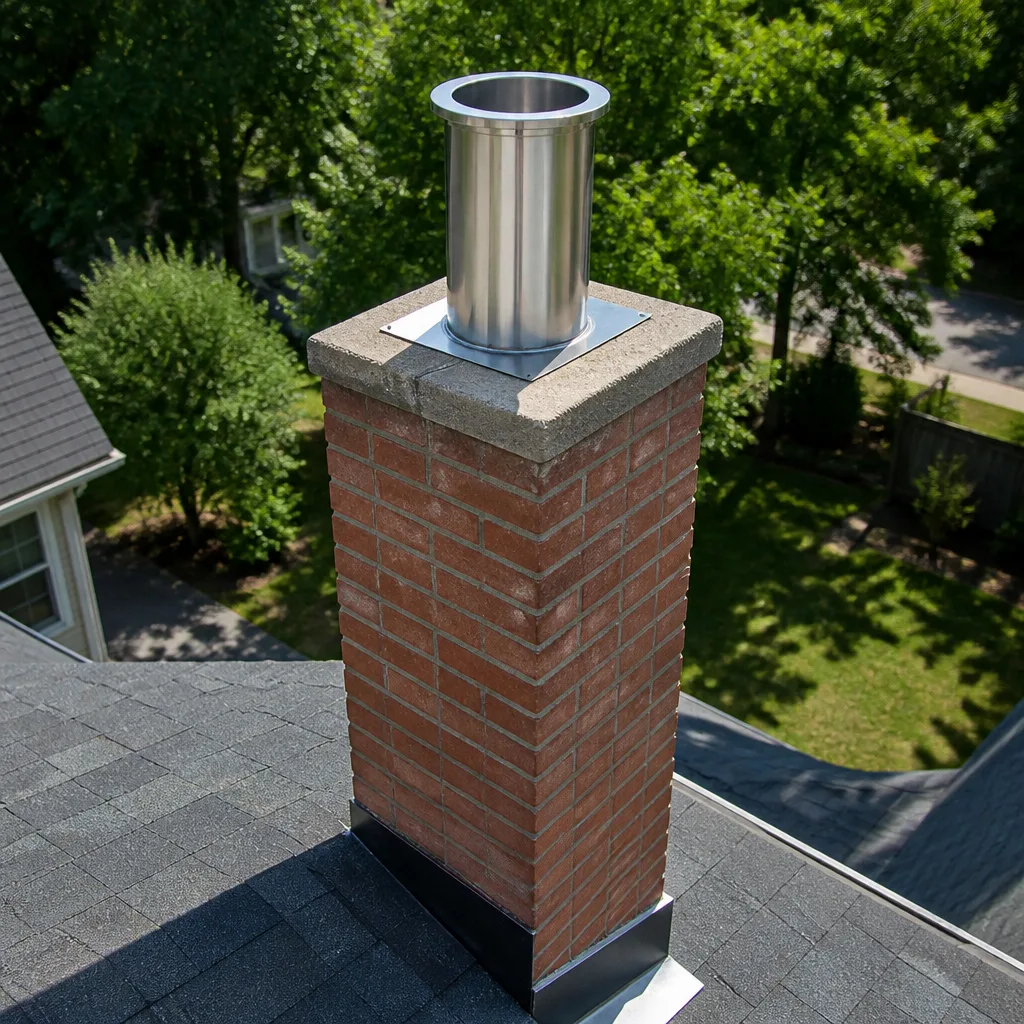 Flue relining
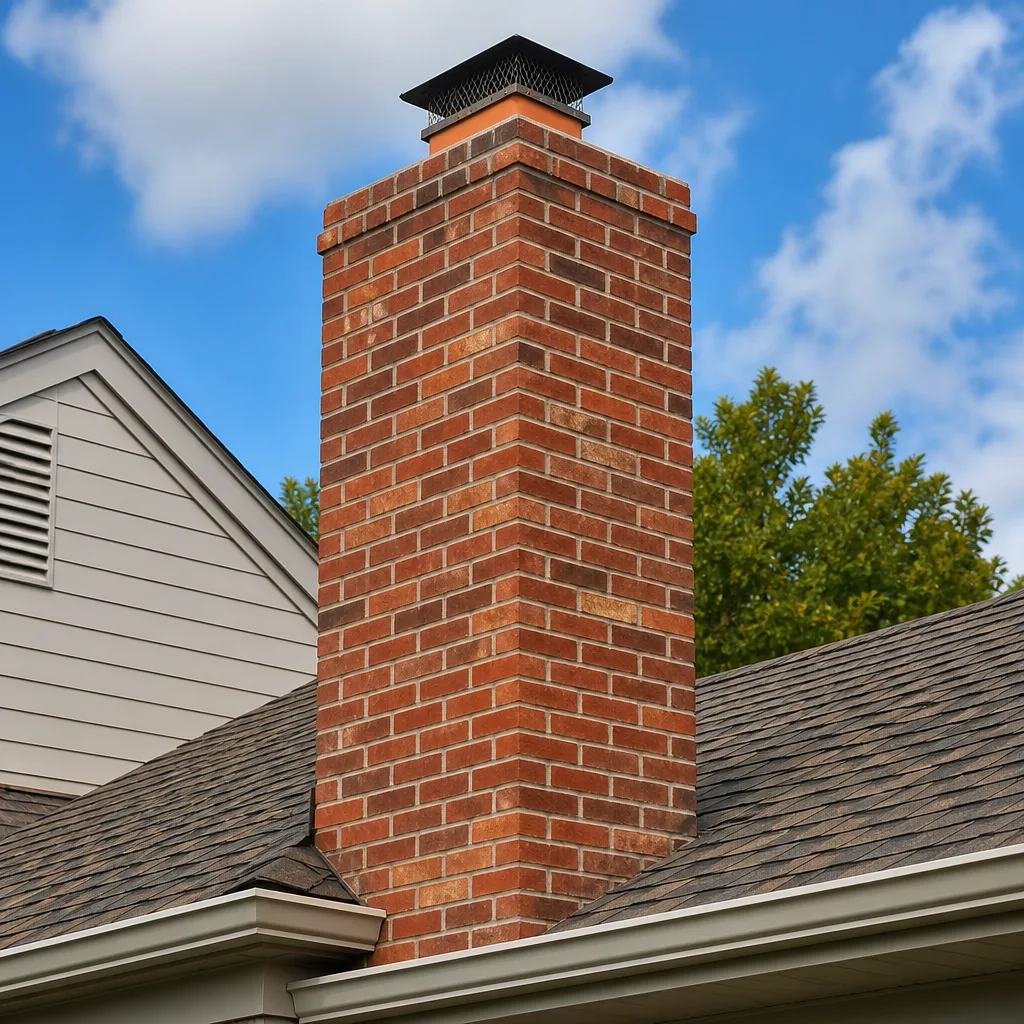 Masonry repair
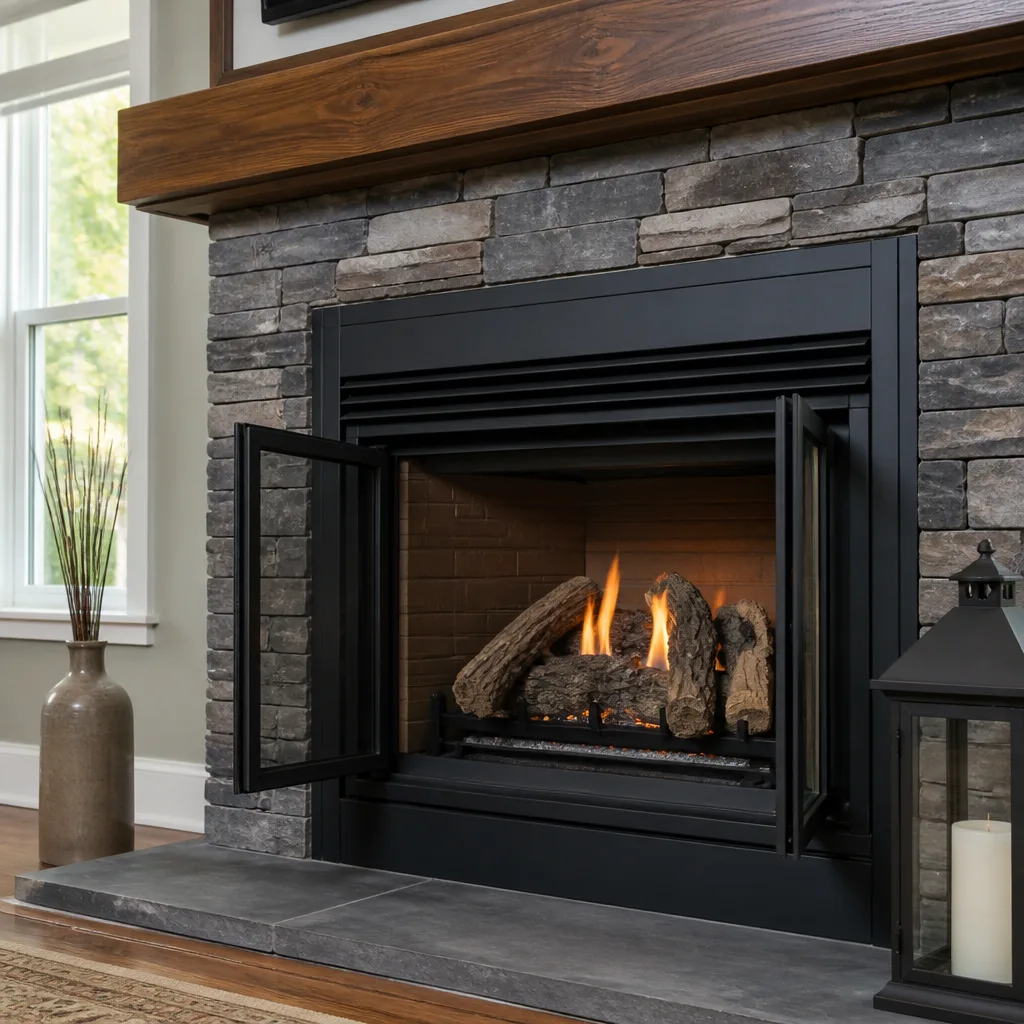 Gas fireplace service
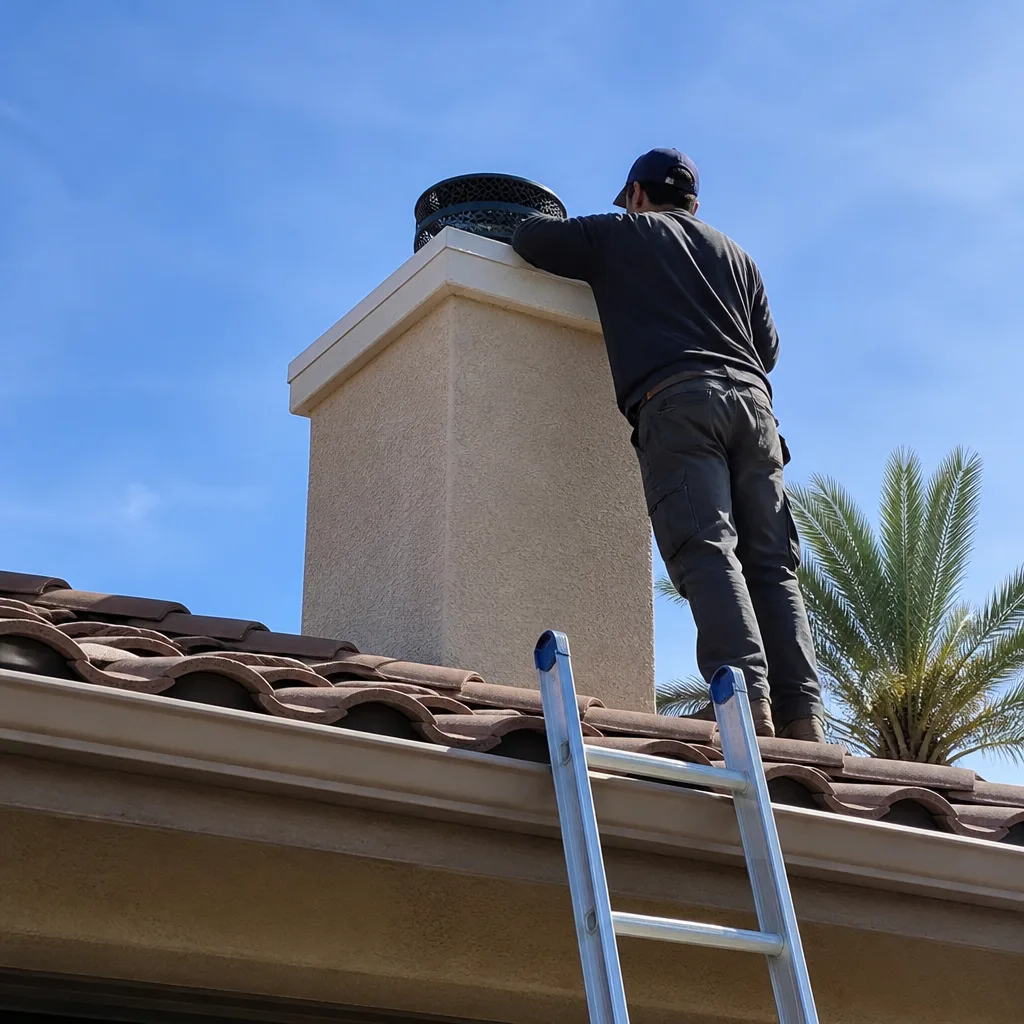
Level 1 sweep and inspection to the NFPA 211 annual standard - flue, crown, cap, and flashing checked and photographed
Chimney sweep logs do not sweep chimneys. They loosen some creosote - which then falls where a brush and vacuum still have to collect it.
Chimney Cleaning Emergency Preparedness Guide for Indio Homes
A chimney fire sounds like a freight train: a low, roaring rush of air inside the flue, often accompanied by loud cracking and popping. By the time you hear it, the fire is already underway, and the window for action is measured in seconds. But the useful emergency prep for Indio homeowners happens weeks or months before that sound. Knowing your chimney’s last inspection date, understanding what your damper actually shuts off, and having a one-page reference sheet for your system isn’t paranoia. It’s the same logic as knowing where your gas shutoff valve sits. This guide walks through the full protocol: what to do in the first 60 seconds, how to spot the early warning signs, why Indio’s desert climate creates a specific kind of chimney risk, and what happens after the fire department leaves.
Quick Answer
Chimney fire emergency preparedness for Indio homes means three things: knowing the early warning signs (unusual smoke color, acrid odor, popping sounds from the flue), having a written record of your chimney’s service history and damper type, and understanding the exact first-60-seconds protocol if a fire is suspected. The single most important preparation step is an annual chimney sweep in Indio, because a clean flue removes the fuel that turns a small flashback into a structural fire.
Styles & brands we work with
- Sweep & inspection
- Caps & crowns
- Flue relining
- Masonry repair
- Gas fireplace service
Table of Contents
- The First 60 Seconds: What to Do If You Suspect a Chimney Fire
- Early Warning Signs Before the Roaring Stage
- The Indio Desert Risk: Palm Debris and Particulate Accumulation
- After the Fire Department Leaves: The Post-Event Protocol
- How to Create a One-Page Chimney System Reference Document
- Why a Level 2 Inspection Is Non-Negotiable After an Event
- The Overlooked Emergency: Dryer Vent Fires in Indio Homes
- The Prevention Protocol: What We Check During a Routine Sweep
The First 60 Seconds: What to Do If You Suspect a Chimney Fire
You’re sitting in your living room in Indio on a winter evening. The fire has been burning for a couple of hours. Then you hear it: a deep rumbling from inside the chimney, like a jet passing low overhead. Or you step outside and see thick, dark smoke pouring from the chimney cap, maybe with flames visible at the top. This is not the time to open the firebox doors to look, and it’s definitely not the time to throw water on the fire.
Here’s the exact sequence:
- Close the damper immediately. This cuts off the primary air supply feeding the chimney fire. Do not touch the firebox doors. Opening them introduces a massive rush of oxygen into the firebox and up the flue, which can intensify the burn. For most Indio homes with a standard throat damper, the handle is either a lever inside the firebox or a chain hanging from above the opening. Know where yours is before fire season starts.
- Close the glass doors on the fireplace if you have them. This further starves the fire of oxygen. If you have an airtight insert, do not open its doors under any circumstances.
- Alert everyone in the house and evacuate. Do not stop to gather belongings. A chimney fire can spread into the attic or wall framing through cracked flue liners in a matter of minutes. Your job is to get people out, not to fight the fire.
- Call 911 from outside. Tell the dispatcher you have a confirmed or suspected chimney fire, and give them your exact Indio address. Do not call from inside the house. The Indio Fire Department responds to chimney fires, but their job is structural wildfire and residential fire containment. They will go into the attic, cut open walls if necessary, and check for extension. That’s exactly what you want them to do.
- Do not re-enter the home until the fire department clears it. Even if the roaring stopped, heat can travel through compromised masonry into combustible framing. Give the professionals the time they need to check for hot spots.
In our experience, the homeowners who handle chimney fire events with the least damage are the ones who already knew where the damper handle was. That single piece of knowledge is worth more than any fire extinguisher sitting next to the hearth. Extinguishers belong in the kitchen and garage. Your chimney emergency protocol starts with oxygen control and evacuation.
Early Warning Signs Before the Roaring Stage
The freight train sound is the hallmark of a fully developed chimney fire, but it’s rarely the first sign. A chimney fire typically announces itself through changes in smoke behavior, odor, and sound in the minutes before it escalates. Learning to read these indicators is the difference between catching the event early and discovering it at full force.
Smoke color changes. Normal wood smoke from a properly burning Indio fireplace is light gray or white. When creosote or accumulated debris inside the flue begins to ignite, the smoke can shift to a darker, denser brown or black. You may also see visible smoke pushing out through cracks in the masonry or around the chimney cap joints. If smoke starts exiting anywhere other than the top of the flue, stop using the fireplace that night.
Odor changes. Creosote ignition produces a harsh, acrid smell often described as hot asphalt or burning plastic. It’s distinct from the pleasant woodsmoke smell of a healthy fire. Some homeowners in Indio report noticing a chemical-like smell in rooms adjacent to the chimney, particularly in upstairs bedrooms, before they notice anything visually wrong. If the air near the fireplace suddenly smells wrong, that’s a warning sign.
Popping and ticking sounds. This is not the gentle crackle of wood in the firebox. A chimney fire in its early stages often produces sharp popping or ticking noises from inside the flue as the creosote glaze begins to bubble and ignite. The sound is coming from inside the chimney structure, not from the fire itself. If you can distinguish the two, you’re ahead of most homeowners.
Excessive heat from the chimney face. In some Indio homes with older masonry chimneys, the wall around the fireplace may become unusually hot to the touch during a chimney fire event. If you can feel radiant heat through the drywall or plaster near the chimney chase, that’s an indicator that heat is transferring through compromised mortar or flue liner cracks. Do not ignore it. Call 911 and evacuate if the heat is severe.
None of these signs is definitive on its own. Together, they paint a picture. The important thing is to trust your senses. If the fireplace is behaving in a way that feels wrong, close the damper, extinguish what you safely can, and schedule an inspection before using it again.
The Indio Desert Risk: Palm Debris and Particulate Accumulation
Indio sits in the Coachella Valley, where the climate shapes chimney risk differently than in wetter or colder regions. The classic chimney fire narrative is built around creosote buildup from regular wood burning in damp climates. But Indio homeowners face a more unusual problem: long stretches of disuse punctuated by occasional cold nights when a fire is tempting, combined with desert debris accumulation that behaves differently in a flashback event.
Here’s the mechanism. Indio’s desert wind carries airborne particulate: fine sand, palm fibers, dust from the surrounding valley floor, and small organic debris from the region’s extensive palm tree canopy. Over a summer season, this particulate settles into any chimney that isn’t sealed with a properly fitted cap and damper. Even with a damper closed, the flue isn’t airtight. Fine particulates work their way down and coat the interior walls of the liner.
When a homeowner lights the first fire of the season in a chimney that hasn’t been swept in a year or two, that layer of particulate doesn’t behave like creosote. It’s drier, more loosely attached, and more likely to ignite quickly in a flash event rather than building gradually. We’ve seen chimneys in Indio where the first fire of December ignited a particulate layer that had accumulated since March, producing a sharp, fast burn in the flue that surprised the homeowner. The fire was over in minutes, but the internal masonry damage was real.
Palm debris presents another issue. Fronds and fibers from the region’s palm trees can enter chimneys through damaged caps or missing spark arrestors. Palm fiber is fibrous, dry, and highly combustible. It also tends to cling to the rough interior surfaces of masonry flues. A single dried palm frond lodged in a chimney creates a vertical fuel source that can carry fire upward quickly.
This is why we recommend Indio homeowners schedule a sweep before the first burn of the season, even if the fireplace was barely used the previous year. The risk isn’t just creosote. It’s the accumulation of desert micro-particulate and organic debris that no amount of damper discipline prevents. A clean flue at the start of December is the simplest emergency preparation that exists.
After the Fire Department Leaves: The Post-Event Protocol
Assuming the Indio Fire Department contained the event and no structural fire spread into the attic or walls, you’re left with a damaged chimney and a home you can’t safely heat with the fireplace until the system is inspected and repaired. Here’s what actually happens next.
The fire department’s role ends at containment. They are not chimney inspectors. They will check for extension, extinguish hot spots, and clear the home for re-entry if it’s safe. But they will not tell you whether your flue liner survived, whether your mortar joints are cracked, or whether the chimney structure is still sound. That assessment is the homeowner’s responsibility, and it requires a professional inspection.
Document everything for insurance. Take photos of the chimney from the roof if you can access it safely, or from the ground with a zoom lens. Document the firebox interior, any visible cracks in the masonry, and any smoke staining on walls or ceilings. Your insurance adjuster will want to see the condition of the chimney both inside and out. Do not begin any repair work or even cleaning before the adjuster documents the damage, unless the chimney is in danger of collapse.
Do not light another fire in the chimney until a professional clears it. This is non-negotiable. A chimney that has experienced a fire event has been exposed to temperatures that can crack terra cotta flue liners, degrade mortar joints, and warp metal components. Even if the exterior looks fine, the internal damage may be extensive. The next fire could find a path through a cracked liner into combustible framing.
Schedule a Level 2 inspection before any repair estimates. A Level 2 inspection uses video scanning to document the interior of the entire flue. This is the only way to see what happened inside. It’s also the documentation your insurance company will request. You’ll want a written report with video stills showing the damage. Any contractor who skips this step and immediately quotes a repair based on what they can see from the fireplace opening is cutting corners.
How to Create a One-Page Chimney System Reference Document
We recommend every Indio homeowner keep a one-page chimney reference document near the fireplace or in the home’s utility records. It takes ten minutes to create, and it’s the single most useful tool in an emergency or when dealing with a repair contractor. Here’s what belongs on it.
- Damper type and location: Is it a standard throat damper with a lever, or a top-sealing damper operated by a chain or cable? Note where the control is. In an emergency, you don’t want to be searching.
- Last sweep date and company: Write down when the chimney was last cleaned and by whom. This establishes your maintenance history for insurance purposes and tells any professional you call whether the flue was recently cleared.
- Liner material: Is the flue lined with terra cotta tile, a stainless steel liner, or a cast-in-place product? This matters for understanding fire resistance and for evaluating repair options. If you don’t know, a chimney repair contractor in Indio can identify it during an inspection.
- Chimney cap condition: Note whether the cap has a spark arrestor, whether it’s damaged, and what material it’s made from. Caps are your first line of defense against palm debris and particulate entry.
- Any known issues or repairs: Cracked masonry, previous liner repairs, water staining around the chimney base, or previous fire events. This history matters when evaluating new damage.
- Fire extinguisher location: Note where the nearest fire extinguisher is relative to the fireplace. It won’t put out a chimney fire, but it may help contain a firebox spill.
In an emergency, you hand this document to the responding fire department or the service professional you call. It answers the questions that always come first: what kind of system is this, when was it last serviced, and what should we know before we start. In a repair conversation, it prevents you from being talked into work you don’t need.
Why a Level 2 Inspection Is Non-Negotiable After an Event
There are three levels of chimney inspection defined by the National Fire Protection Association, and they’re not interchangeable. A Level 1 inspection is the routine annual check that accompanies a standard sweep. A Level 2 inspection goes deeper: it includes video scanning of the full flue interior, evaluation of the chimney crown and cap from the roof, and inspection of accessible attic and crawl spaces where the chimney passes through the home.
After a chimney fire, a Level 1 is not enough. Here’s why. The internal temperatures during a chimney fire event can exceed 2,000 degrees Fahrenheit. That heat causes terra cotta flue tiles to crack, either along their length or at the mortar joints between them. These cracks may be completely invisible from the firebox opening, but they create a direct path for future fires to reach combustible materials in the wall chase or attic. The only reliable way to find them is with a video scan.
We perform Level 2 inspections in Indio homes using video equipment that documents the full length of the flue. The report includes still images and a written assessment of exactly what survived and what didn’t. That report becomes the basis for any repair scope. If the liner is cracked but otherwise sound, a resurfacing solution like HeatShield may be appropriate, relining the interior of the flue without a full demolition. If the liner is severely compromised, a full stainless steel liner replacement using a system like DuraFlex may be the right call. The point is, you can’t make that decision from a visual glance through the firebox. The camera tells the truth.
Before calling any repair contractor after a chimney fire event, ask them directly: “Do you perform a Level 2 video inspection as part of the assessment?” If they hesitate or tell you it’s not necessary, call someone else. This is a safety issue, not a service add-on.
The Overlooked Emergency: Dryer Vent Fires in Indio Homes
While we’re talking about combustion risk and emergency preparedness, the dryer vent deserves a seat at the table. Nationally, dryer vent fires are among the most common causes of residential structure fires, and Indio’s desert climate compounds the risk in two ways. First, the dry air means lint is even more combustible than it would be in a humid environment. Second, the fine particulate that blows through the valley finds its way into vent runs, especially if the vent exits through a roof or soffit rather than directly through an exterior wall.
A clogged dryer vent is a slow-building emergency. The warning signs are usually present for weeks or months before the fire risk becomes critical: clothes take longer to dry, the dryer exterior is hot to the touch during a cycle, the laundry room smells like burnt dust, or you notice lint accumulating around the exterior vent opening. These are not inconveniences. They’re indicators that the vent is partially blocked and the exhaust air, which carries fine lint particles, is backing up into the vent run where it can reach ignition temperature.
We treat dryer vent cleaning in Indio as a safety service in the same category as chimney sweeping. Both are about moving hot, particulate-laden air out of the home safely. If you’ve been ignoring the dryer’s slow performance, don’t wait for the burning smell to take it seriously. A clean vent moves air quickly, keeps the dryer running efficiently, and removes the fuel source before it becomes an emergency. Most Indio homes should have dryer vents cleaned annually, more often if the laundry room sees heavy use.
The Prevention Protocol: What We Check During a Routine Sweep
Most chimney emergencies are preventable, and the prevention looks like a thorough annual sweep with inspection. Here’s what we’re actually looking for when we clean a chimney in an Indio home, and why each check matters for emergency preparedness.
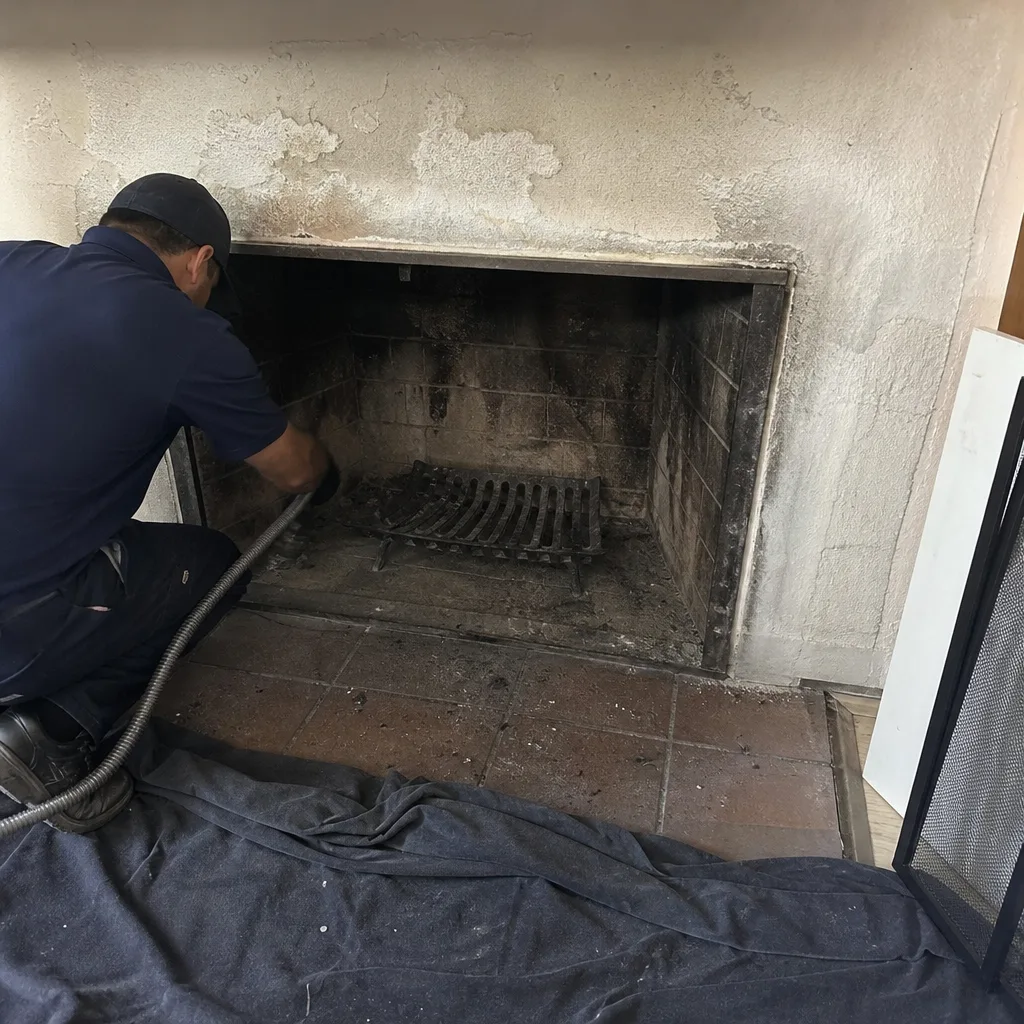
- Creosote and particulate buildup: We remove the accumulated material from the flue walls using rotary brushes and hand tools suited to the liner material. The goal is bare, sound interior surfaces. No fuel, no chimney fire.
- Flue liner condition: We look for cracks, missing mortar joints, and signs of previous fire damage. If the liner is compromised, we tell you directly and show you the evidence. This is where repair recommendations come from, and they’re backed by camera images, not guesswork.
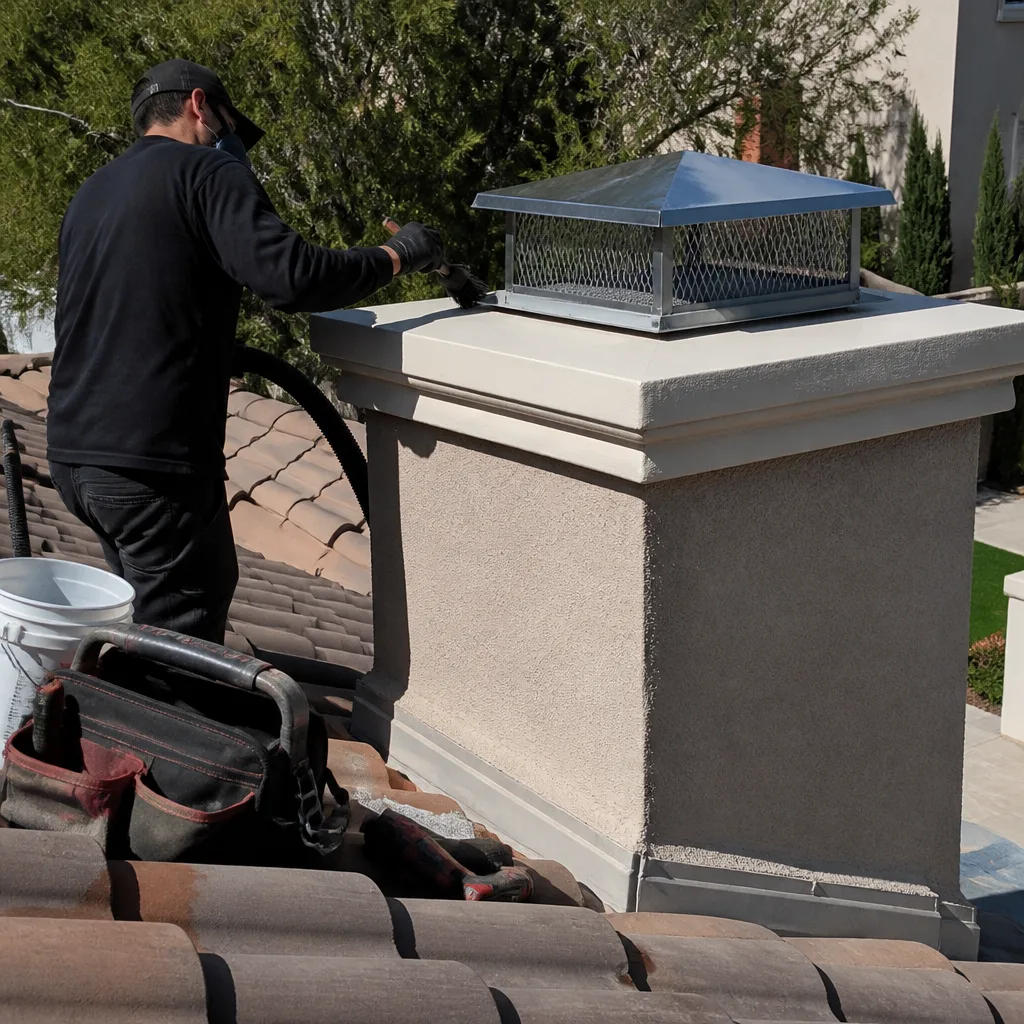
- Chimney cap and spark arrestor: We check that the cap is secure, the screen is intact, and there’s no debris accumulation at the top. In Indio, a missing or damaged cap is an open invitation for palm debris and desert particulate to enter the flue.
- Damper function: We test the damper to make sure it opens and closes fully and seats properly. A damper that doesn’t close completely wastes conditioned air, but more importantly, it can’t interrupt the oxygen supply effectively in an emergency.
- Firebox and hearth condition: We check for cracked firebrick, deteriorated mortar, and signs of heat transfer through the hearth. These are indicators of how the fireplace has been used and whether repairs are needed before the next burn season.
- Clearances and surroundings: We look at what’s near the fireplace and chimney. In Indio homes, we regularly see stacked firewood, furniture, and other combustibles placed too close to the firebox opening. Simple clearance corrections eliminate common fire paths.
When we use specific products for repairs, it’s because the job requires them. DuraFlex liner systems and HeatShield resurfacers are what we specify for liner work because they’re built for the actual conditions inside a flue, not for cutting corners on a bid. Famco caps and dampers are standard for a reason: they fit correctly, they seal correctly, and they hold up to Indio’s wind and sun. These aren’t the cheapest options. They’re the options that mean the repair actually solves the problem. A chimney that’s been properly relined is a chimney that’s dramatically less likely to produce an emergency in the first place.
If you’re maintaining a fireplace in an Indio home and it’s been more than a year since the last sweep, the most important emergency preparation step is scheduling that service before the burn season begins. A clean, inspected chimney is the original prevention protocol.
Common Mistakes to Avoid
- Throwing water on a chimney fire. Water on a hot flue liner causes thermal shock, which can crack terra cotta instantly. It also creates steam that can carry burning debris out of the firebox into the room. Close the damper and evacuate; don’t fight the fire yourself.
- Assuming no regular use means no risk. In Indio, a rarely used fireplace is often a higher risk than a regularly used one. Desert particulate and palm debris accumulate during the off-season, and the first fire of the season ignites a fuel layer that wasn’t there when the chimney was last inspected.
- Using the fireplace after a suspected fire event without inspection. “It seems fine” is not an inspection. Heat from a chimney fire can crack the liner invisibly. The next fire finds a path out of the flue into the wall cavity. Always inspect before reuse.
- Ignoring slow dryer performance. A dryer that takes two cycles to dry a load is telling you the vent is obstructed. Lint blockages are a leading cause of home fires, and Indio’s dry air makes the accumulated lint even more combustible than in other climates.
- Relying on a visual check from the fireplace opening. You cannot see the condition of the flue liner from the firebox. Hairline cracks and deteriorating mortar joints are invisible without a video scan. If a contractor tells you the chimney is fine based on a glance, they haven’t actually checked.
- Not knowing where the damper handle is. In the first 60 seconds of a chimney fire, the single most important action is closing the damper. If you have to search for the handle while the fire escalates, you’re giving the fire time it doesn’t need.
See the difference
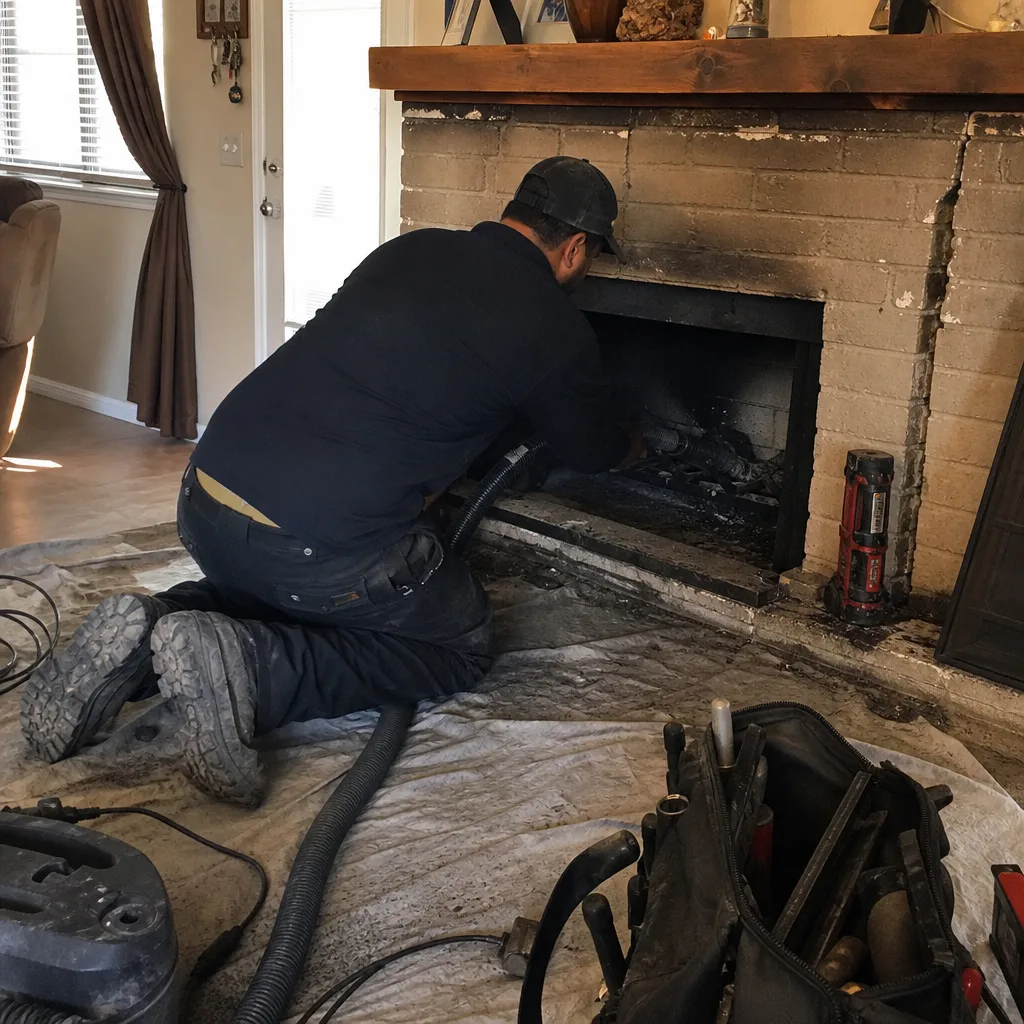 Before
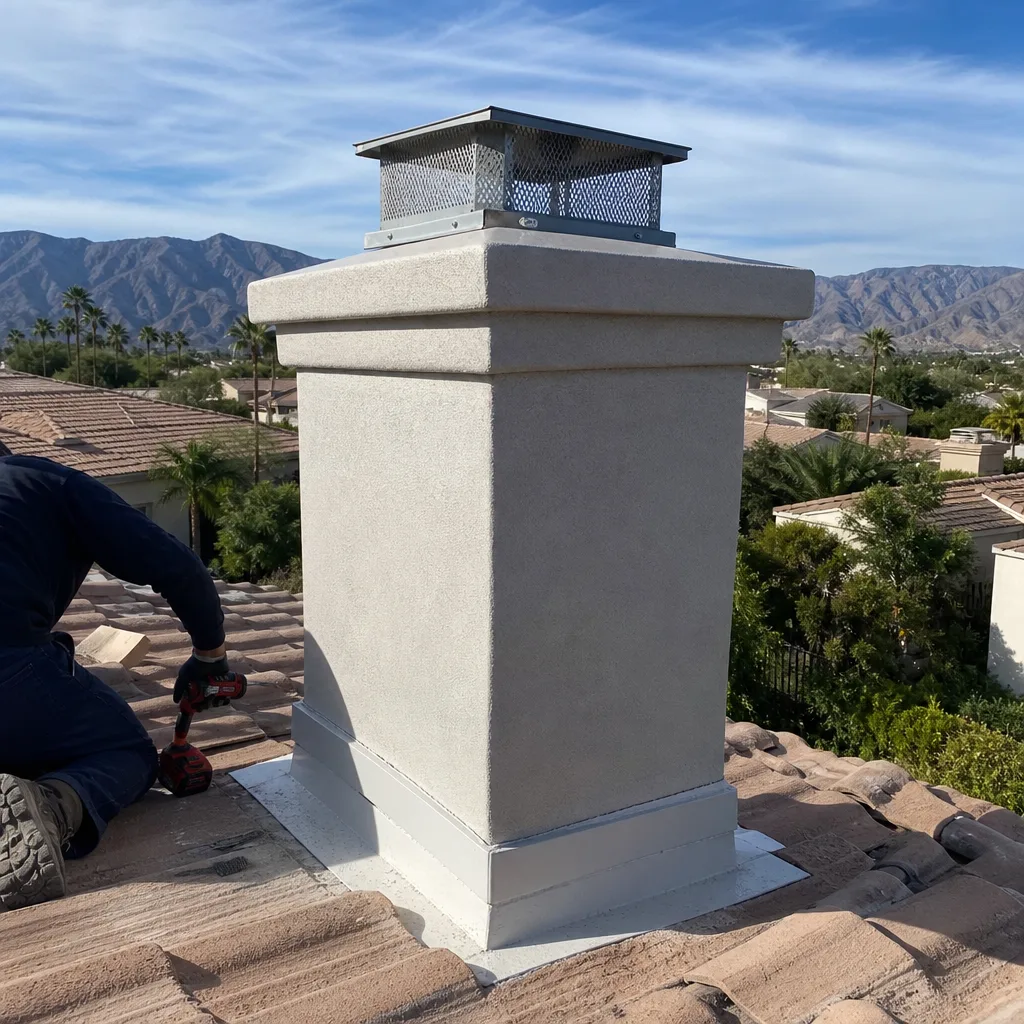 After
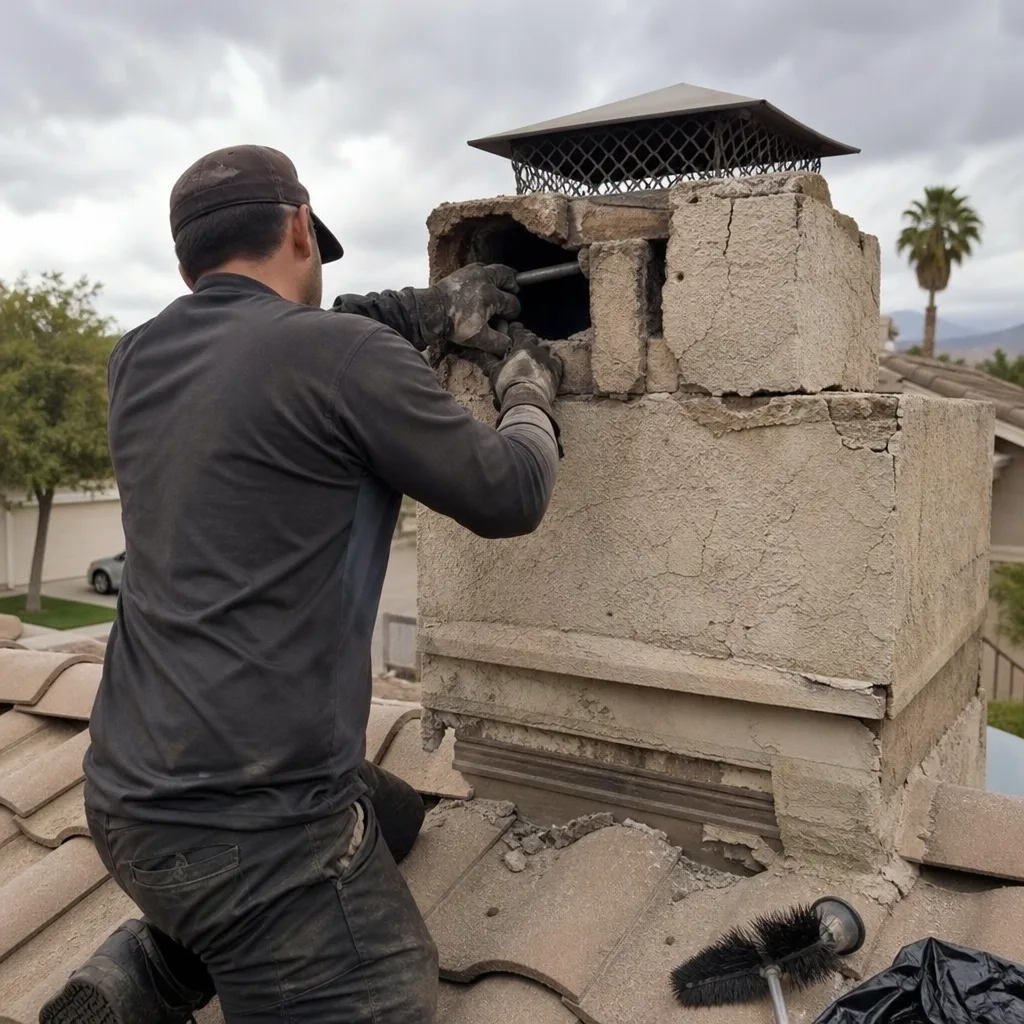 Before
 After
 Before
 After
When to Call a Professional
Some situations call for an expert assessment without delay. If you’ve experienced any chimney fire event, suspected or confirmed, schedule a Level 2 inspection before using the fireplace again. If you notice white staining on the exterior masonry, crumbling mortar, or water entering around the chimney base, the system has sustained moisture damage that will compound over time. If your smoke detector regularly triggers when the fireplace is in use, or if smoke enters rooms other than the firebox, ventilation is compromised. And if your dryer takes noticeably longer to dry clothes or the vent exterior shows heavy lint buildup, that’s a service call waiting to be made. Chimney Sweep Indio offers free estimates in Indio. Call (877) 378-2419 to schedule an inspection or service.
Frequently Asked Questions
A standard chimney sweep in Indio typically runs between $150 and $350 depending on the system’s condition, accessibility, and whether a Level 1 inspection is included. Homes with heavy creosote buildup, unusual debris accumulation, or hard-to-reach roofs may fall above that range. The exact quote comes from what the sweep actually finds. Call (877) 378-2419 for a free estimate, and we’ll assess your specific chimney before quoting.
Once a year, even if the fireplace gets minimal use. Indio’s desert environment deposits particulate and palm debris into flues during the off-season, creating a fire risk that’s independent of how often you burn wood. Annual sweeping removes that accumulation before the burn season starts. If you burn fires more than a couple of times per week during winter, a mid-season check may also be warranted.
A fully developed chimney fire produces a low rumble or roar that many people compare to a freight train or a nearby jet engine, accompanied by loud popping and cracking from inside the flue. Early-stage chimney fires may only produce sharp ticking sounds and a change in smoke color or odor before the roaring stage begins. Any unusual sound from the flue during a burn warrants an immediate damper closure and professional inspection.
Not always, but you won’t know until a Level 2 video inspection is performed. Minor liner cracks may be repairable with a resurfacing system like HeatShield, while more severe damage may require a stainless steel replacement liner from a system like DuraFlex. The camera shows exactly what happened. No reputable professional will recommend a liner replacement without visual evidence of the damage. At Chimney Repair in Indio, our recommendations always include the camera images, so you can see the problem yourself before approving any work.
You’re allowing combustible material to accumulate inside the flue. That material is the fuel for chimney fires, and when it ignites, it can crack the liner and spread into the home’s framing. Even without a fire, a clogged flue causes smoke backup into the home, which introduces carbon monoxide risk and stains the interior. Skipping a sweep is gambling with a system that has a direct path to the rooms where your family sleeps.
Yes. Dryer vent cleaning in Indio is one of our three core services, alongside chimney sweeping and repair. A blocked dryer vent is a combustion risk in the home, and we treat it with the same seriousness as a dirty chimney. One call covers chimney sweeping, repair, and dryer vent cleaning. Call (877) 378-2419 to schedule any or all three.
The Bottom Line
Chimney fire emergency preparedness for Indio homes is a practical discipline, not a fear exercise. It starts with knowing your system: where the damper handle is, when the chimney was last swept, what the liner is made of. It includes the discipline of annual service before the first burn of the season, because Indio’s desert particulate means a flue can become hazardous even in a year when the fireplace was barely used. And it means responding correctly in the moment: damper closed, people out, 911 called. A prepared homeowner with a clean chimney isn’t just safer in an emergency. They’re less likely to have one in the first place.
Written by the team at Chimney Sweep Indio, serving Indio since 2015.