Last updated November 2, 2026
 Sweep & inspection
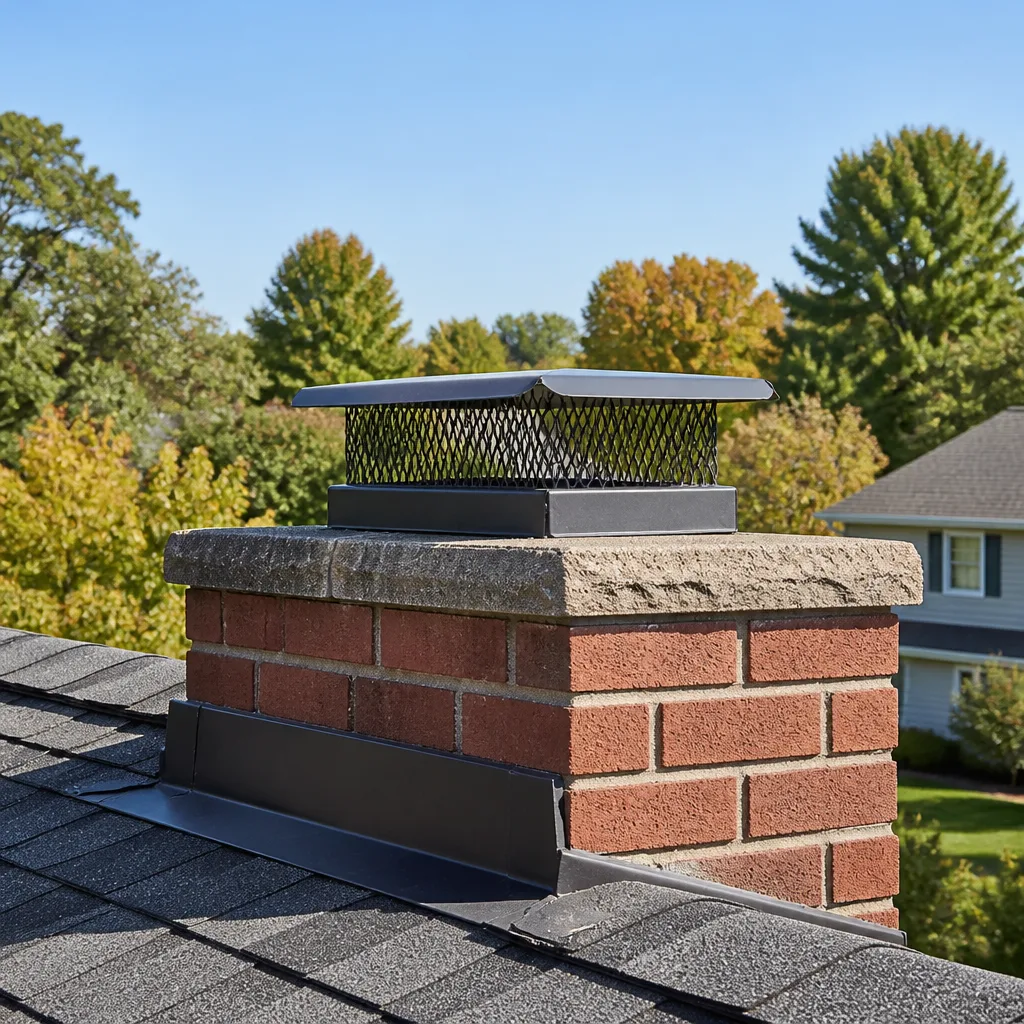
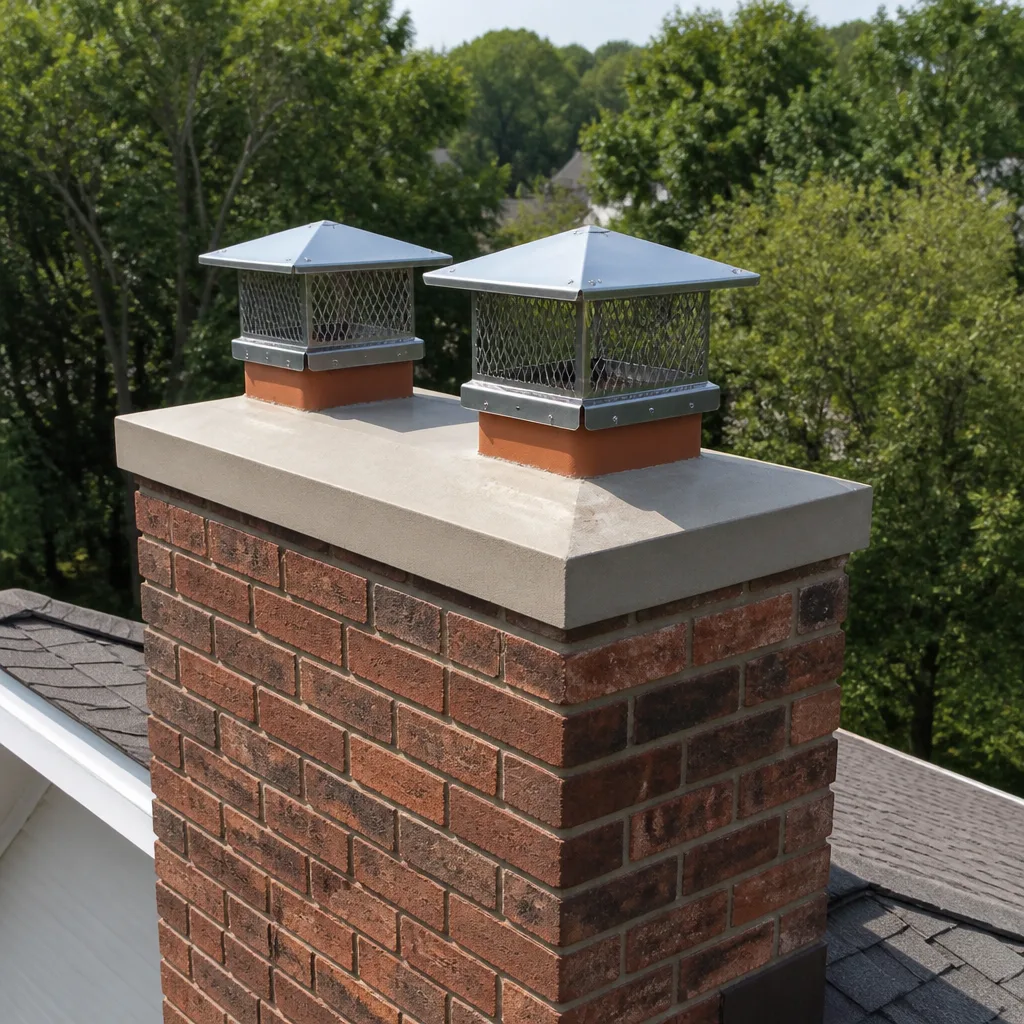 Caps & crowns
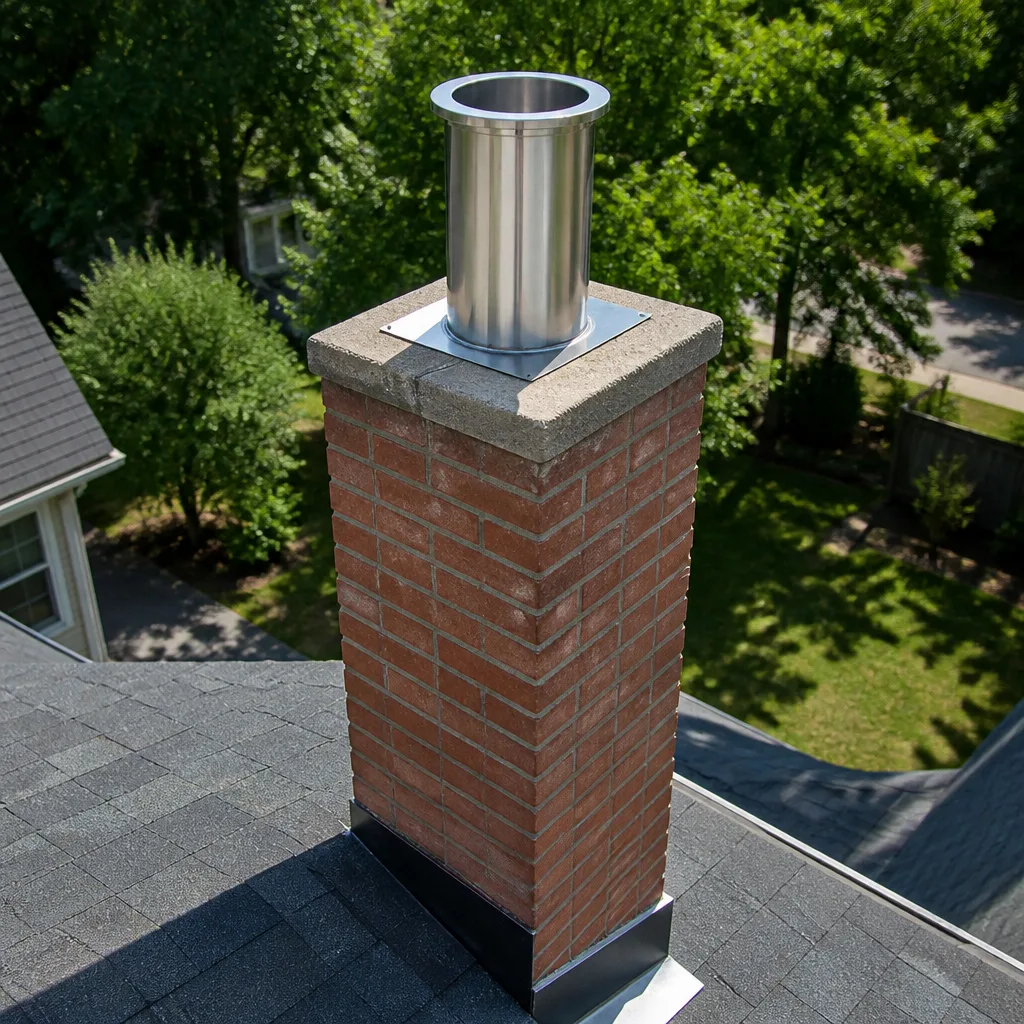 Flue relining
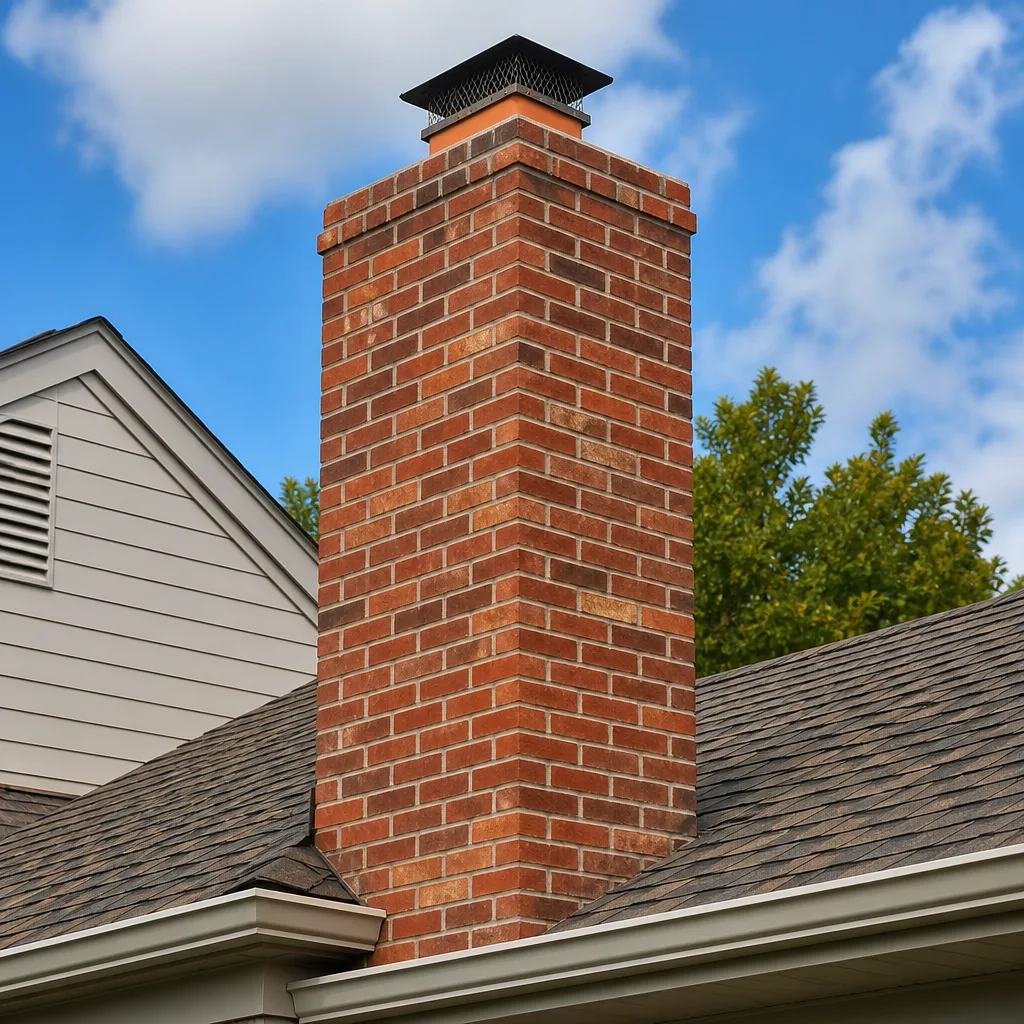 Masonry repair
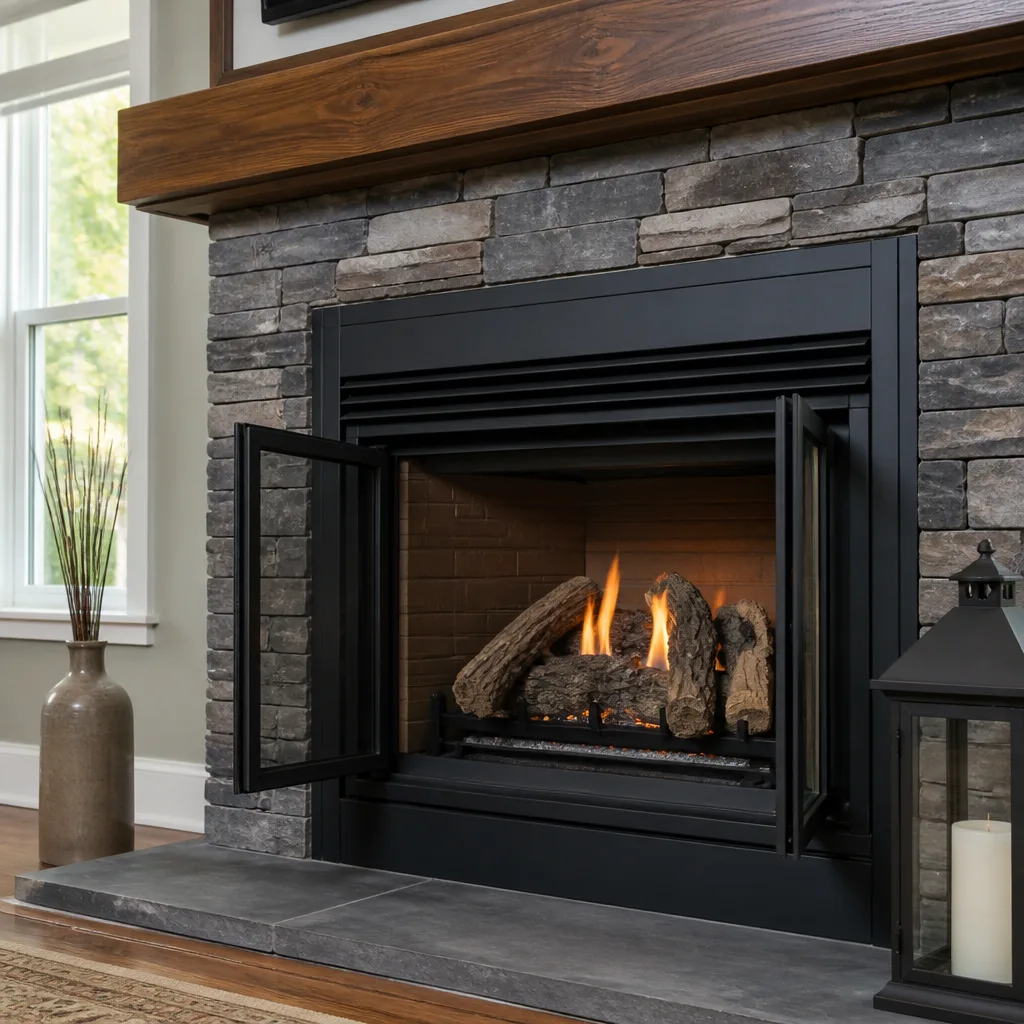 Gas fireplace service
Level 1 sweep and inspection to the NFPA 211 annual standard - flue, crown, cap, and flashing checked and photographed
Chimney sweep logs do not sweep chimneys. They loosen some creosote - which then falls where a brush and vacuum still have to collect it.
Choosing the Right Chimney Cleaning Brand: A Buyer’s Guide for Indio
When a chimney contractor tells you they’ll “seal the crown,” the $8 difference between a proper elastomeric crown coat and a hardware store concrete patch isn’t visible until two years later, when the patch cracks and water starts working into your masonry. Indio’s climate makes this worse: our summer heat bakes cheap sealants brittle, and the winter rains finish the job. You can’t see what’s inside a liner or under a cap once the crew leaves. What you can do is audit the materials before the work starts. Knowing the brand names that matter in chimney work, and asking about them directly, is how you separate a contractor who builds flues that last from one who’s just clearing the soot. This guide covers which brands signal competence, why they matter in Indio specifically, and the questions worth asking before you sign anything.
Styles & brands we work with
- Sweep & inspection
- Caps & crowns
- Flue relining
- Masonry repair
- Gas fireplace service
Quick Answer
Choosing the right chimney cleaning brand in Indio comes down to asking one question: what materials and equipment does the contractor actually use? A professional operation will name their suppliers without hesitation, because those names, DuraFlex for liners, HeatShield for resurfacing, Copperfield or Gelco for caps, mean the work is being done to an industry standard, not a homeowner’s guess. If a contractor can’t tell you what brand of sealant, liner, or cap they’re installing, that’s your answer. That silence tells you more than a hundred online reviews.
Table of Contents
- Brand Names Are an Audit Tool, Not a Luxury
- Crown Sealants: The $8 Difference That Costs Thousands
- Chimney Liner Systems: Where DuraFlex and Olympia Chimney Earn Their Place
- HeatShield Resurfacing: Why Certification Matters
- Chimney Caps in Indio: 304 vs. 316 Stainless and the Desert Sun Problem
- Equipment Questions: Rotary Systems, HEPA Vacuums, and Indio Particulate
- How to Spot Substandard Materials Before Work Begins
- Common Mistakes to Avoid
- When to Call a Professional
- Frequently Asked Questions
- The Bottom Line
Brand Names Are an Audit Tool, Not a Luxury
Most homeowners evaluate a chimney contractor the way they’d evaluate a restaurant: stars, photos, word of mouth. Those things matter, but they’re all backward-looking. They tell you how past customers felt, not whether the materials installed in those homes will still be performing in 2035. A contractor’s supply chain is the only forward-looking data you can get before the work begins. If a sweep in Indio stocks professional chimney sweeping supplies from manufacturers like Gelco, Olympia Chimney, Famco, or Copperfield, that’s not branding. It’s a statement about how they approach the job. Those names are what professionals specify when the work has to hold up to code inspection and desert weather alike. A contractor who reaches for the no-name brush set and generic caulk from the big-box clearance aisle is making a different set of decisions, and none of them favor your flue.
The logic applies across every category of chimney work. Crown sealants, liner systems, caps, flue sealants, each has a small set of manufacturers whose products are considered the benchmark. Some are visible to the homeowner; a chimney repair that includes a Copperfield cap is easy to verify from the ground. Others are invisible once installed: a DuraFlex liner disappears inside your flue the day it goes in. That’s precisely why asking for product names before the job matters. Once the material is hidden, you can’t audit it. The question has to be asked while you still have leverage, which is before you sign.
Think of it like choosing a mechanic. You can’t evaluate an oil filter after it’s installed. But if the shop tells you they use a specific filter brand and why, you now know something real about their standards. Chimney work is the same. The brand names are the tell.
Crown Sealants: The $8 Difference That Costs Thousands
The chimney crown is the horizontal concrete slab at the top of the chimney, the one surface most exposed to Indio’s sun. It’s also the most commonly botched repair in residential chimney work. A proper crown repair uses an elastomeric, flexible sealant designed specifically for chimney crowns. These products, the ones pros reach for, flex with the thermal expansion and contraction that our 110-degree summers and cool winter nights force into masonry. A cheap concrete patch or big-box caulk doesn’t flex. It cracks. Sometimes within a single season, often within two. And once the crown has a crack, water gets in, and every freeze-thaw cycle widens it, and the repointing job you paid for starts failing from the top down.
The material cost difference is genuinely small: about eight dollars at wholesale between a quality crown coat and a product that shouldn’t be on a chimney at all. What you’re paying for with a specialist isn’t the sealant. It’s the fact that they know which products work in Indio’s UV environment and which ones fail. Ask any contractor who proposes crown work what product they use and why. A good answer sounds something like this: “We use an elastomeric crown coat rated for high-UV exposure because the crown takes direct sun all day.” A bad answer is, “It’s a sealant, it works.” The brand name isn’t itself the point. The point is that knowing the name means someone thought about the material, not just the line item.
Chimney Liner Systems: Where DuraFlex and Olympia Chimney Earn Their Place
A chimney liner is the least visible but most consequential component of your chimney system. It contains heat, directs combustion gases upward, and protects the surrounding masonry from corrosive byproducts. When a flue has cracked tiles or missing mortar joints, the liner is compromised, and the fix isn’t surface cleaning. It’s relining. This is where brand names stop being a preference and start being a code-compliance issue.
DuraFlex is the name that comes up most often in discussions of flexible stainless steel chimney liners, and for good reason. It’s an industry benchmark for flue relining: a flexible, continuous liner that can be pulled through an existing flue without demolition. Olympia Chimney products occupy a similar tier. What makes these systems different from generic alternatives is certification and testing to recognized safety standards. A contractor who installs a DuraFlex or Olympia Chimney liner is using a product engineered and tested for exactly this application. A contractor who installs an unlisted liner is gambling, and you’re the one holding the ticket. In Indio, where many homes date to the 1950s and 1960s and original clay tile liners have been cooking for sixty-plus desert summers, liner condition is genuinely uncertain. A chimney that hasn’t been inspected since the Eisenhower administration is more likely than not to need attention.
When you’re getting quotes for relining, ask directly: “What liner system will you install, and is it listed to UL 1777?” The UL 1777 listing is the recognized standard for chimney lining systems in the US. DuraFlex and Olympia Chimney liners meet it. A contractor who knows the standard and can name the system is working at the professional level. A contractor who says “it’s a stainless liner, don’t worry” hasn’t earned the job.
One useful shortcut: a company that handles relining in-house, rather than subbing it out to whoever’s available, has working knowledge of the products they install. It’s the difference between a chimney specialist who can handle the complete chimney system and a generalist who’s learning on your house.
HeatShield Resurfacing: Why Certification Matters
Not every compromised flue needs a full stainless reline. Some can be addressed with resurfacing: applying a ceramic, heat-resistant coating to the interior of the existing flue to seal cracks and restore integrity. HeatShield is the dominant name in this category, and it’s not a product you can pick up at a supply house and apply with a paint roller. HeatShield is a system with specific application protocols, and the manufacturer maintains a certification program for contractors who install it.
Why does that matter to a homeowner in Indio? Because a resurfacing job done wrong looks the same as one done right, until it isn’t. A properly applied cerfractory sealant can restore a flue to safe service and carry a manufacturer-backed warranty. An improperly applied one delaminates, flakes, or fails under heat, and you’re back to square one, except now you’ve spent money and possibly run a fireplace you shouldn’t have. The certification matters because it means the installer has been trained on surface prep, application thickness, curing conditions, and the specific equipment required. It’s not a piece of paper; it’s the difference between a repair that holds and one that comes apart.
If a contractor offers chimney liner restoration or resurfacing, ask whether they’re certified by the system manufacturer. HeatShield certification is a specific, verifiable thing. It’s not the same as “we’ve done this before.” It means the manufacturer has trained them and stands behind their work. For a homeowner with an older chimney in Indio, where liner deterioration is common and the cost of replacement can run into the thousands, knowing the difference between a certified resurfacing and an off-label patch job is worth real money.
Chimney Caps in Indio: 304 vs. 316 Stainless and the Desert Sun Problem
Here’s a detail most guides skip: not all stainless steel chimney caps are the same, and the difference matters more in Indio than it does in coastal California. Stainless steel comes in grades. The two you’ll see referenced are 304 and 316. The short version: 304 is standard stainless; 316 contains molybdenum, which makes it dramatically more resistant to corrosion, particularly from chlorides and salt. Why does that matter in the desert? It’s not the salt, it’s the combination of UV exposure, temperature cycling, and occasional desert rain that attacks lower-grade hardware. A 304 cap in Indio will outlast a galvanized one, but a 316 cap will outlast a 304 by years. Caps from manufacturers like Copperfield, Famco, or Gelco are built from materials selected for outdoor exposure and fitted properly to the flue. An off-brand cap from a hardware store is often the wrong size, loosely fitted, and made from steel that will rust through within a few seasons.
The cap is your chimney’s roof. It keeps rain out of the flue, which prevents water from mixing with creosote into an acidic slurry that eats mortar. It keeps birds and rodents out, which prevents nests, dead animals, and blocked flues. It screens sparks, which matters more in a place like Indio, where wildfire risk is a year-round conversation, not a seasonal one. A properly fitted, high-grade cap from a manufacturer like Copperfield does all three jobs for a decade or more. A cheap one tilts in the wind, rusts at the welds, and gives you a false sense of security while water gets in around the base.
When a contractor proposes cap work, ask what the cap is made of and who makes it. If they say “stainless,” ask what grade. If they say “galvanized,” thank them for their time and call someone else. In chimney repair work in Indio, a galvanized cap is a temporary patch, not a repair.
Equipment Questions: Rotary Systems, HEPA Vacuums, and Indio Particulate
A chimney sweep is only as good as the equipment they bring through your door. Two equipment questions tell you more about a contractor’s standard of work than any amount of small talk. First: what kind of cleaning system do you use? Second: what kind of vacuum?
Modern chimney sweeping uses rotary cleaning systems, a whip head attached to a flexible shaft, driven by a drill, that scrubs the flue walls mechanically rather than relying on a push-pull brush. Rotary systems remove more creosote, work better on glazed or baked-on deposits, and do less damage to tile liners than an old-school steel brush. A contractor who still uses a manual brush set isn’t necessarily incompetent, but they’re working with 1950s technology in 2025. Ask what they’re using.
The vacuum question is even more important, and it’s the one most homeowners never think to ask. A proper chimney sweep uses a high-efficiency particulate air (HEPA) vacuum, not a standard shop vac with a drywall filter. Here’s why it matters in Indio specifically: our air already carries desert dust, pollen, and fine particulate from the open valley. The last thing you want is a sweep that pulls creosote dust out of your flue and redistributes it through your living room because the vacuum can’t hold sub-micron particles. A HEPA-rated vacuum captures particles down to 0.3 microns. A cheap shop vac spits them right back out. If the contractor can’t tell you what kind of vacuum they use, or says “a shop vac,” that’s a red flag. Creosote dust is a respiratory irritant and a known carcinogen in concentrated occupational exposures. You don’t want it in your carpet.
These two questions, rotary system and HEPA vacuum, also happen to be the ones bad contractors hate answering, because the answers reveal their equipment budget. A $100 shop vac and a $40 brush set can technically clean a chimney. They just can’t do it well, and in a home in Indio where windows stay closed half the year, the difference ends up in your indoor air.
How to Spot Substandard Materials Before Work Begins
You don’t need to become a chimney engineer to spot a contractor who’s cutting corners on materials. You just need to ask a few specific questions and pay attention to how they answer. Here’s a step-by-step approach:
- Ask for the product name on every proposed repair. Crown sealant, liner, cap, flashing, all of it. Write it down. A professional names the product without pausing because they know it. A contractor who stumbles, gets vague, or says “it’s whatever the supplier has” is telling you something important.
- Look up the product before you sign. This takes five minutes. Search for the product name and “chimney” and see what comes up. If it’s a recognized industry brand like HeatShield, DuraFlex, Copperfield, or Gelco, you’re in good shape. If the only results are from a discount hardware site, or there are no results at all, dig further.
- Ask where they buy their materials. Professionals source from chimney supply houses, not the hardware store clearance aisle. The answer to this question tells you about their entire approach. A contractor who stocks Gelco, Olympia Chimney, Famco, or Copperfield products is buying from a professional supply chain.
- Ask what warranty comes with the product. Not their labor warranty, the manufacturer’s product warranty. HeatShield carries a manufacturer’s warranty when applied by a certified installer. DuraFlex liners carry a warranty. If the contractor can’t tell you what the manufacturer’s warranty is, they haven’t thought about it, which means they don’t expect the product to be the thing that fails. That might be fine. Or it might mean they’ve never been asked before.
- Ask about the liner’s listing. If you’re being quoted for relining, the liner should be listed to UL 1777. That’s the standard. If the contractor doesn’t know what UL 1777 is, you have your answer.
None of this requires you to become an expert. You’re not inspecting the work; you’re auditing the decision-making. Contractors who make good material decisions can explain them. Contractors who make bad ones can’t, and that’s the whole test.
Common Mistakes to Avoid
- Choosing by price alone. Indio has plenty of companies that will sweep a chimney for $99. A sweep is a small job. Living with a cracked liner you didn’t know you had because the cheap sweep didn’t include a real inspection is not small. The inspection that comes with a proper sweep is often where the real value is.
- Accepting “it’s all stainless steel” as an answer. There are grades, and there are grades. UV exposure and temperature cycling in Indio punish lower-grade materials visibly. Ask for the grade. Accept nothing less than 304, and prefer 316 for caps in direct sun.
- Assuming the chimney is “probably fine” because it’s been years since you used it. Time not used is time for moisture to get in, cracks to widen, and animals to move in. A chimney that’s been idle for five years in Indio can be in worse shape than one used weekly.
- Not asking about vacuum filtration before the sweep arrives. Once the dust is in your home, the question is moot. Ask about HEPA before you book, not after.
- Treating the dryer vent as an afterthought. A clogged dryer vent is a fire hazard that lives in your laundry room, and in Indio’s dry air, lint fires start faster than they do anywhere humid. A company that handles dryer vent cleaning as a safety service, not a courtesy add-on, is looking at the whole combustion picture.
- Skipping the crown when repointing. A repointed chimney with a cracked crown will fail again, and sooner than you expect. The crown is where the water gets in. If you’re paying for masonry work, the crown is part of the masonry.
- Believing that “cleaned” means “safe.” A clean flue can still have a cracked liner, a failed crown, and a bad cap. Cleaning is not inspection. Make sure the job includes both.
When to Call a Professional
Some jobs are DIY-able. Chimney work genuinely isn’t, and not because of gatekeeping. Working on a ladder at roof height, handling a heavy cap, or evaluating whether a flue is safe to use requires tools and training most homeowners don’t have. If you’ve never had your chimney inspected, or you bought a home with an existing fireplace and no documentation of its condition, start with a professional inspection. If you notice water staining on the ceiling near the chimney, or the damper is rusty, or there’s a smell coming down the flue after rain, those are signs of water entry, and water entry never fixes itself. If your dryer is taking two cycles to dry a load, that’s a vent restriction, which is a fire risk. Chimney Sweep Indio offers free estimates in Indio, call (877) 378-2419. You’ll get specific answers about what’s wrong and what it actually costs to fix, not a guess.
Frequently Asked Questions
A standard chimney sweep in Indio typically runs between $150 and $300, depending on the level of creosote buildup, roof access, and whether the flue has a standard configuration or something that takes extra time. Repairs, relining, or resurfacing are separate and quoted after inspection. A sweep alone might be at the lower end, but a sweep combined with a thorough inspection is where you actually learn the condition of your chimney. Call (877) 378-2419 for a free estimate.
You can’t know from looking at the outside; the liner is only visible with a camera inspection. Signs that often accompany liner damage include flaking tile pieces in the firebox, a rusted damper (indicating water entry), or a strong odor after rain. The only reliable method is a video inspection of the flue interior, which a proper chimney sweep should include or offer. If you’re in Indio and haven’t had the flue camera’d, that’s the next step.
For Indio’s UV exposure and temperature swings, a stainless steel cap from a manufacturer like Copperfield or Famco is the standard we recommend. Look for 316-grade stainless if you’re buying a cap that will sit in direct sun year-round; the molybdenum content makes it significantly more corrosion-resistant than 304, and it will outlast galvanized caps by a wide margin. The brand matters less than the grade and the fit, but the established names are a good shortcut.
HeatShield is a cerfractory resurfacing system that repairs cracked flue tiles without a full stainless reline, but it only works when the surface prep and application follow the manufacturer’s protocol. A certified installer has been trained on those protocols, and the manufacturer’s warranty on the repair typically applies only when a certified contractor does the work. An uncertified application can delaminate under heat, which means you’ve paid for a repair that doesn’t hold. In Indio, where shallow repairs are common because full relining is expensive, knowing whether your contractor is certified can save you from paying twice.
Lint is highly combustible, and a restricted dryer vent makes the dryer work harder, which means the exhaust air gets hotter, which means the conditions for ignition get closer with every load. In Indio’s dry air, lint dries out faster and ignites at a lower threshold than it does in humid climates. It’s not a rare occurrence; it’s a documented cause of thousands of house fires every year. This is why dryer vent cleaning should be treated as a safety service, not a convenience.
The National Fire Protection Association recommends an annual inspection and cleaning as needed, regardless of how often you use the fireplace. In Indio, where fireplaces are often seasonal and sit idle through the summer, the risk isn’t just creosote; it’s animal intrusion, water damage, and crown deterioration during the off-season. An annual inspection catches these before they become structural. If you burn frequently, a sweep with the annual inspection is smart; if you burn rarely, the inspection still matters because the chimney is aging whether you use it or not.
The Bottom Line
What you’re buying when you hire a chimney contractor is their judgment, and their judgment shows up in their supply chain. The brands a company stocks, DuraFlex, HeatShield, Copperfield, Gelco, Olympia Chimney, Famco, aren’t a marketing gloss. They’re the visible evidence of how that company thinks about the work. In Indio, where the heat and UV punish cheap materials relentlessly, and where homes are old enough that liner and crown problems are common, that judgment matters more than a star rating. Ask for product names. Look them up. If the contractor can’t answer, you have your answer. A chimney sweep, repair, and dryer vent, one call covers all three. Call (877) 378-2419 for a free estimate in Indio, and ask us what materials we’ll use. We’ll tell you.
Written by the team at Chimney Sweep Indio, serving Indio since 2015.
See the difference
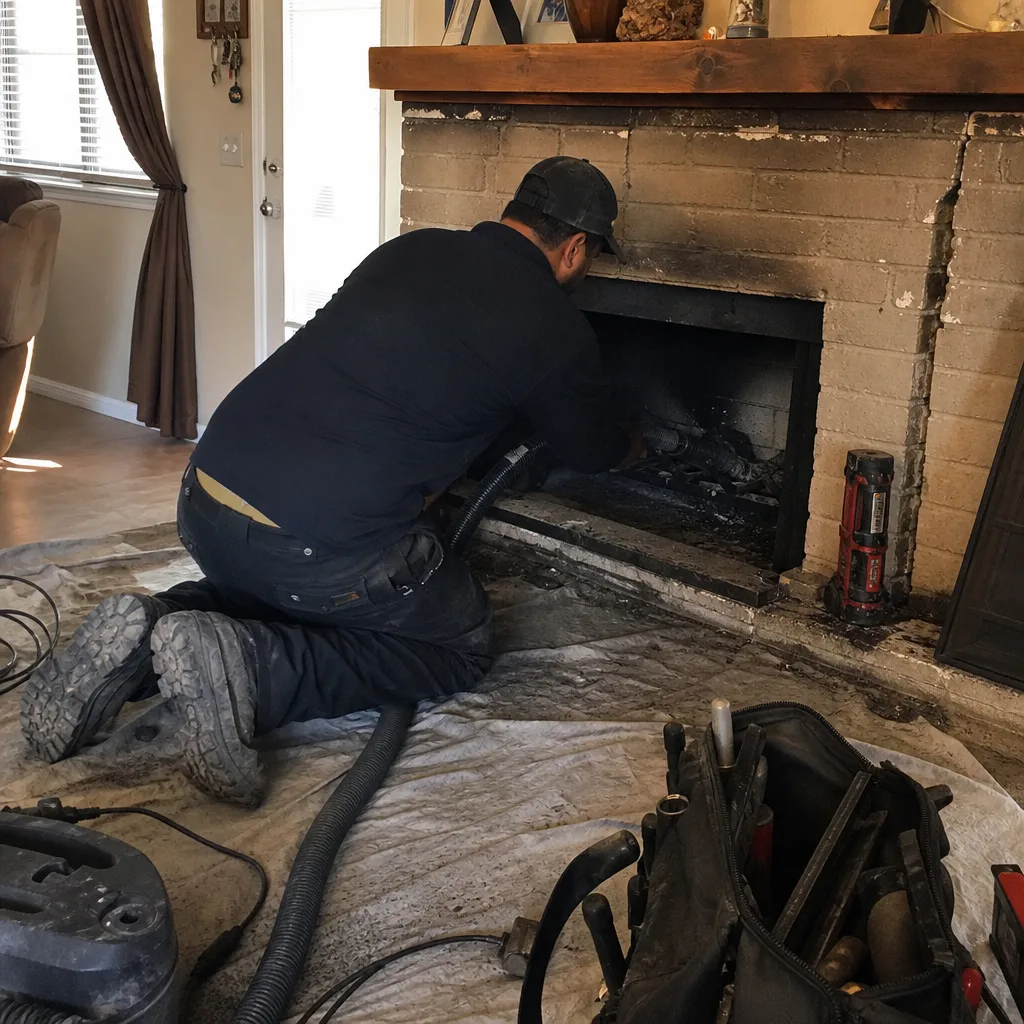 Before
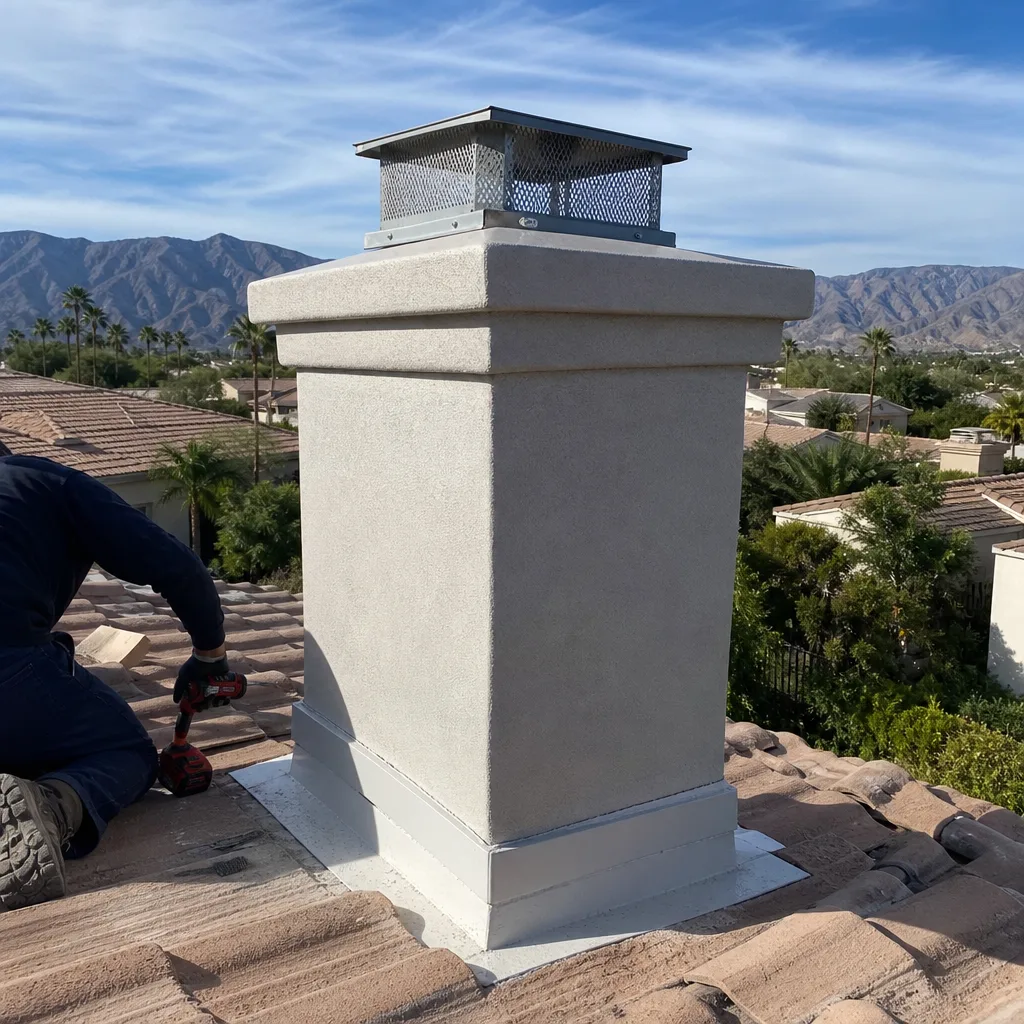 After
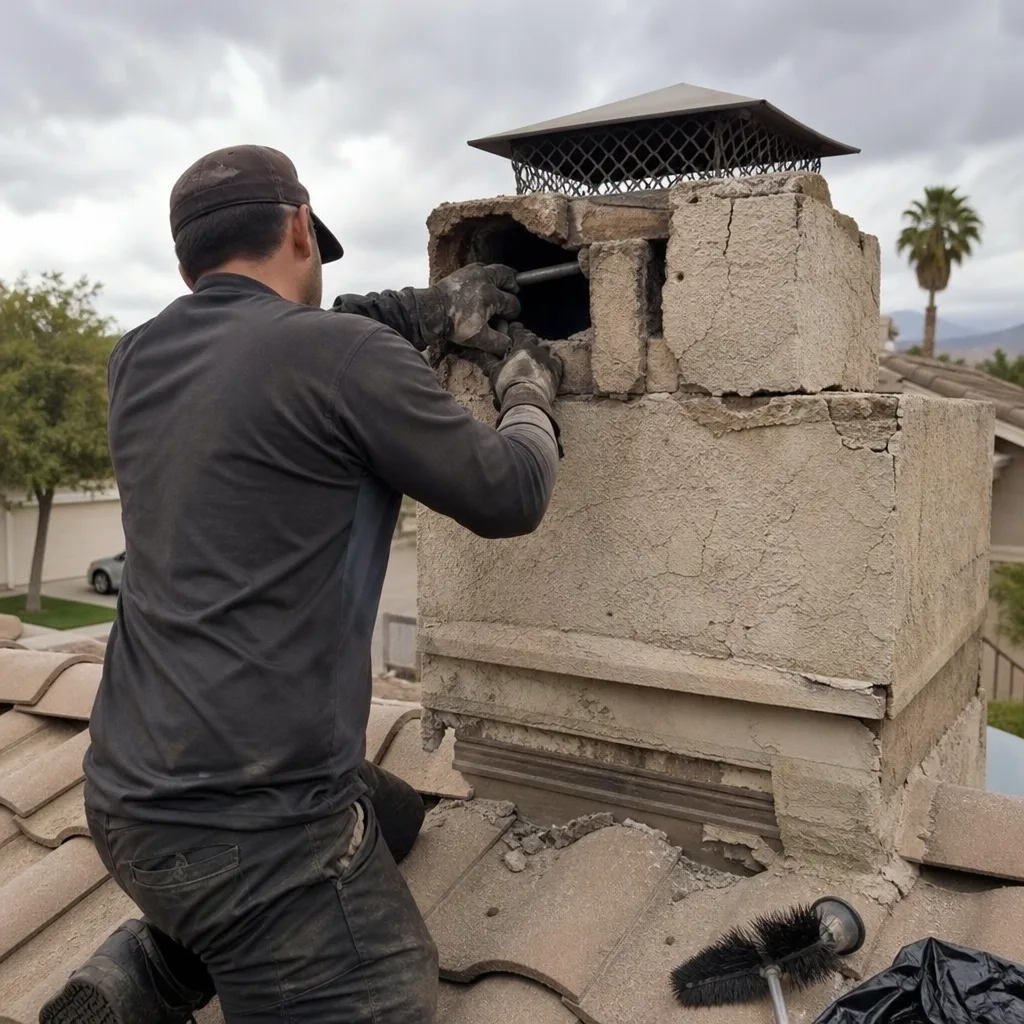 Before
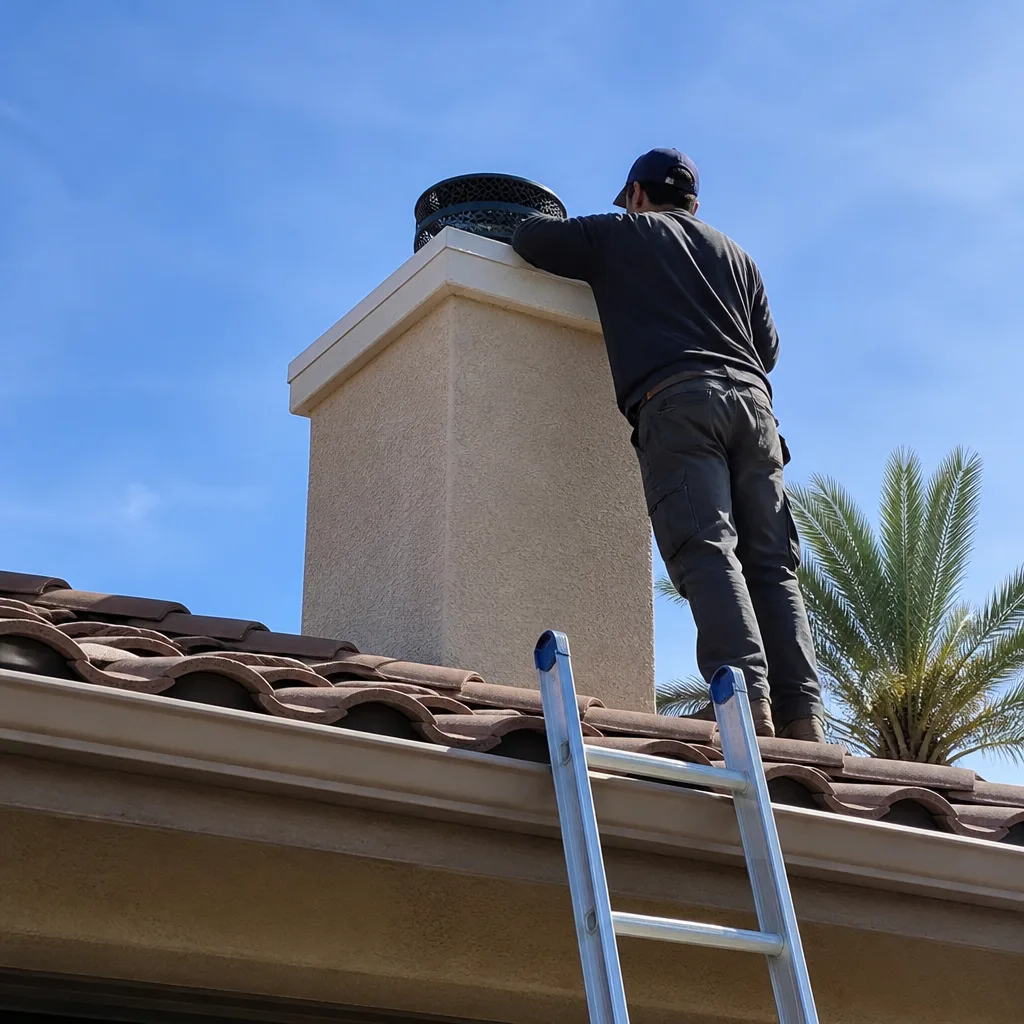 After
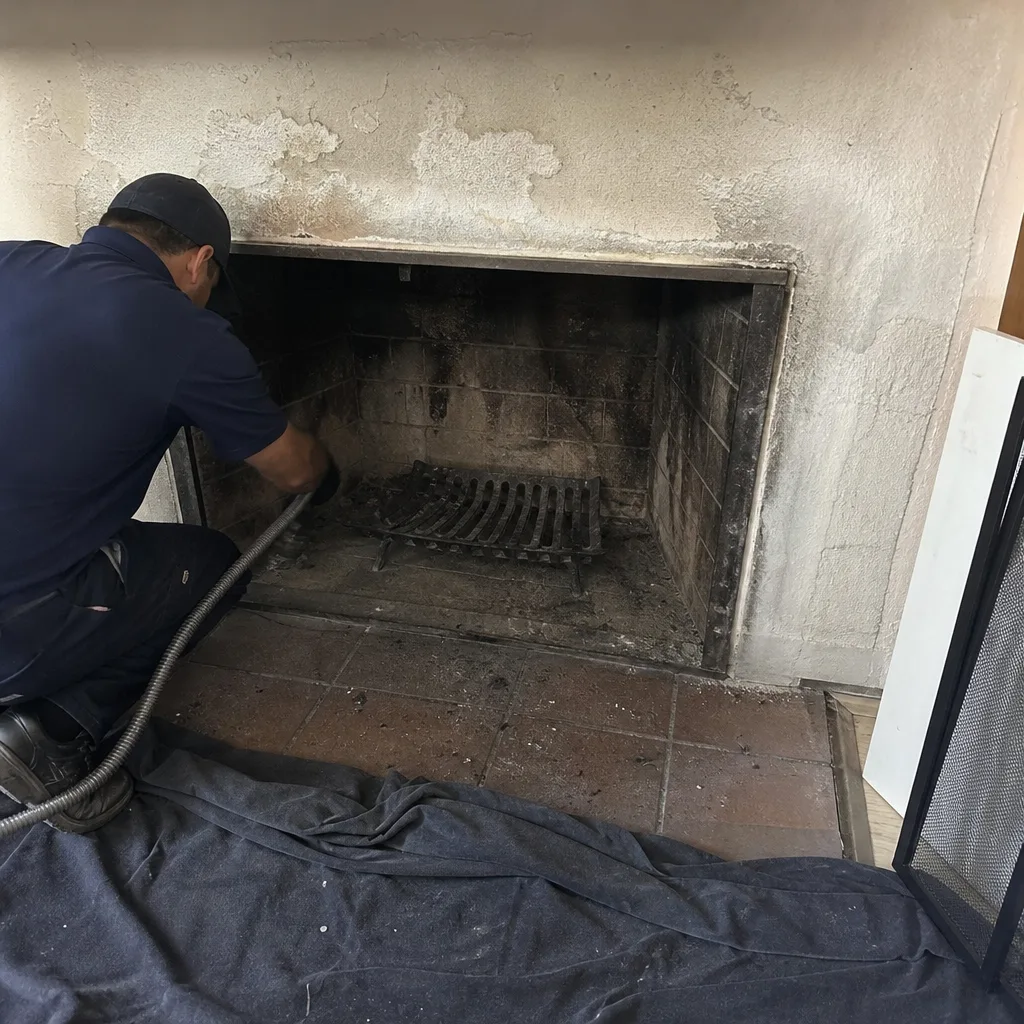 Before
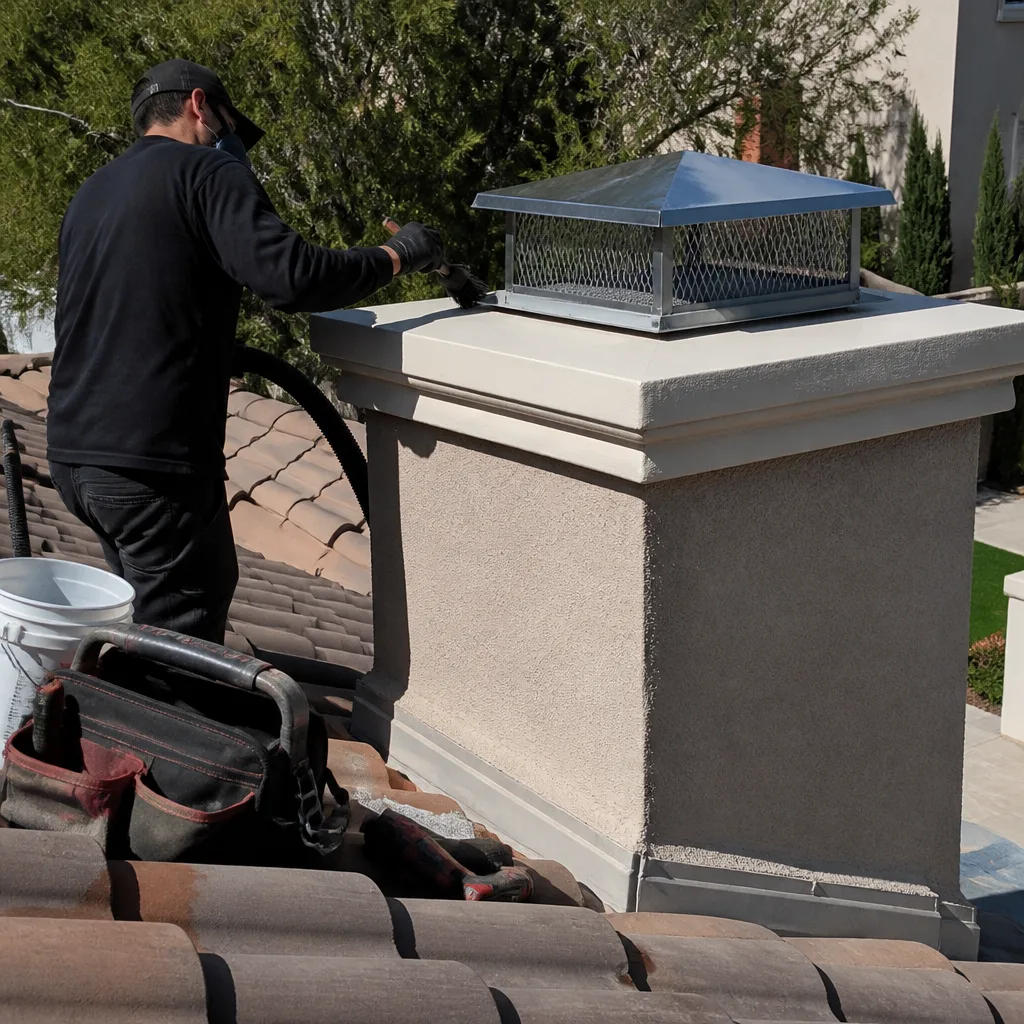 After