
Last updated November 2, 2026
 Sweep & inspection
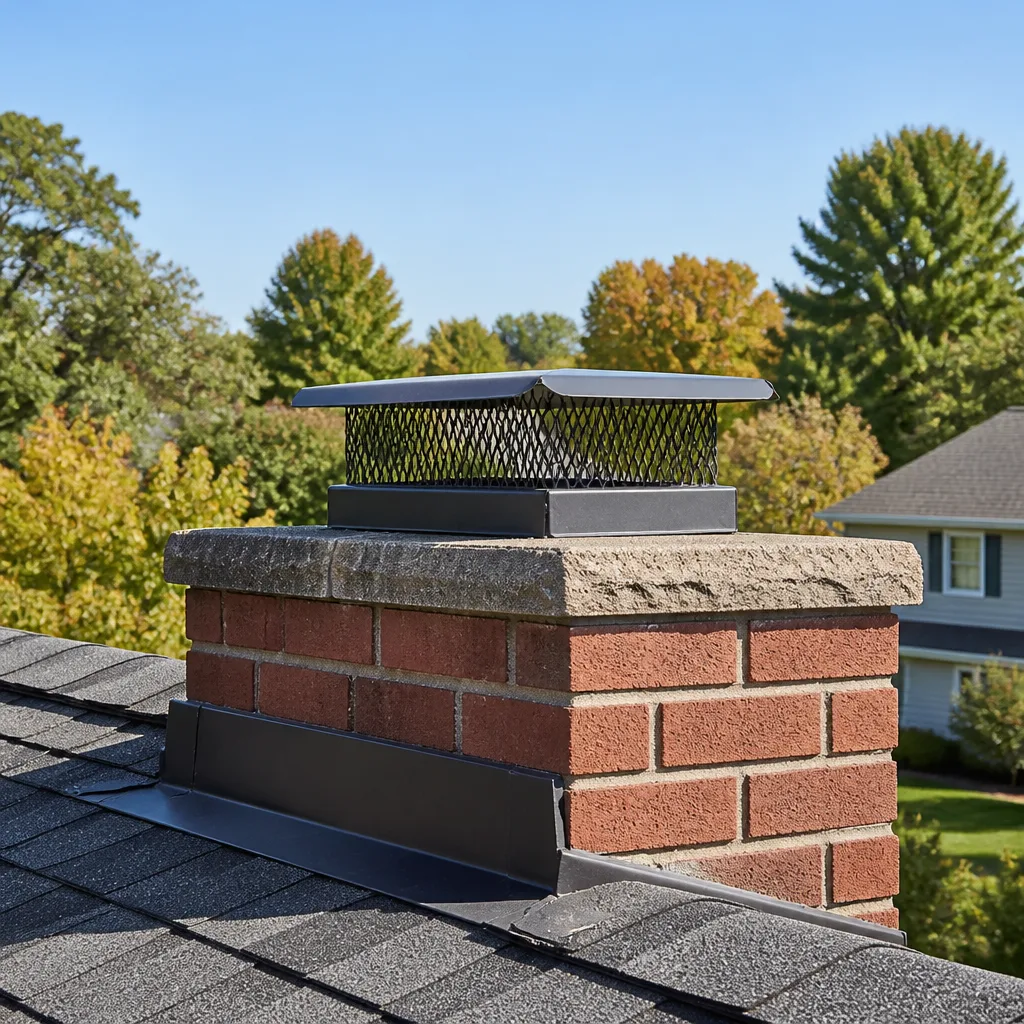
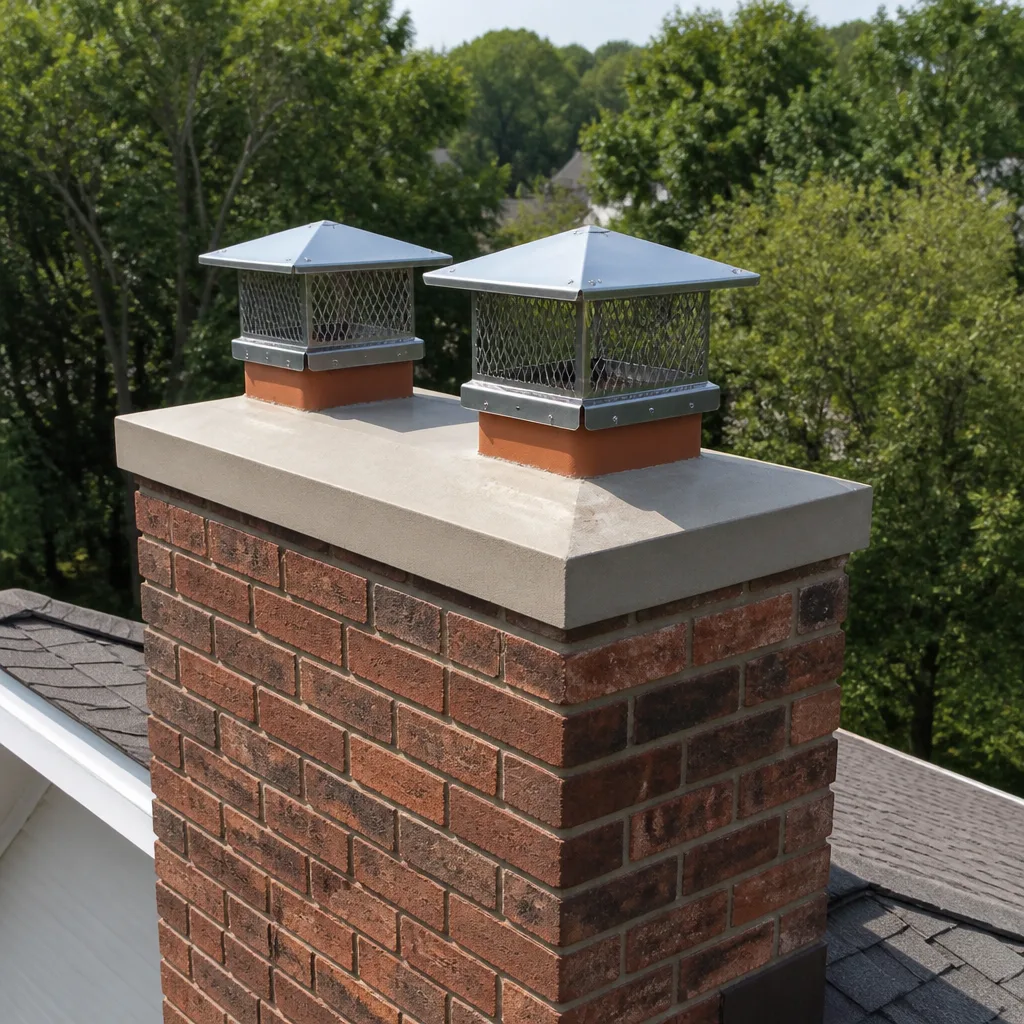 Caps & crowns
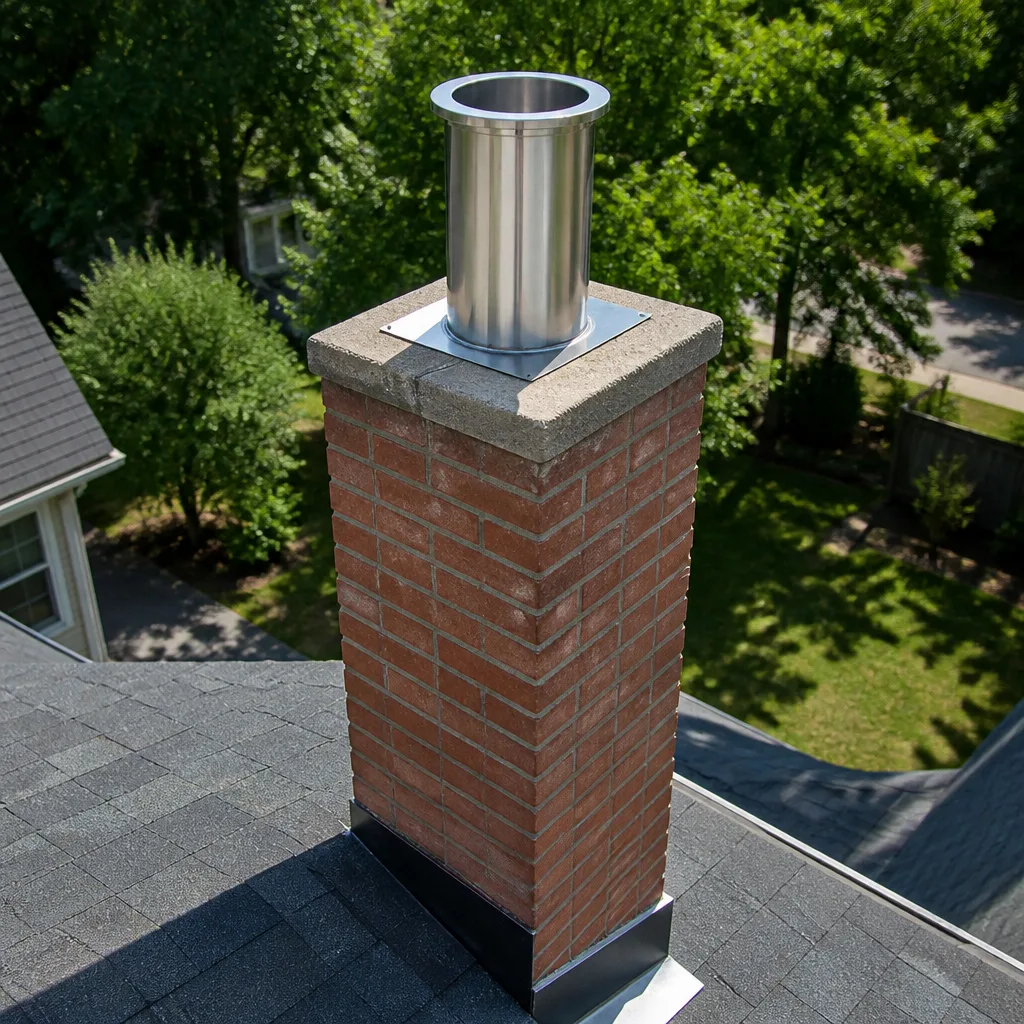 Flue relining
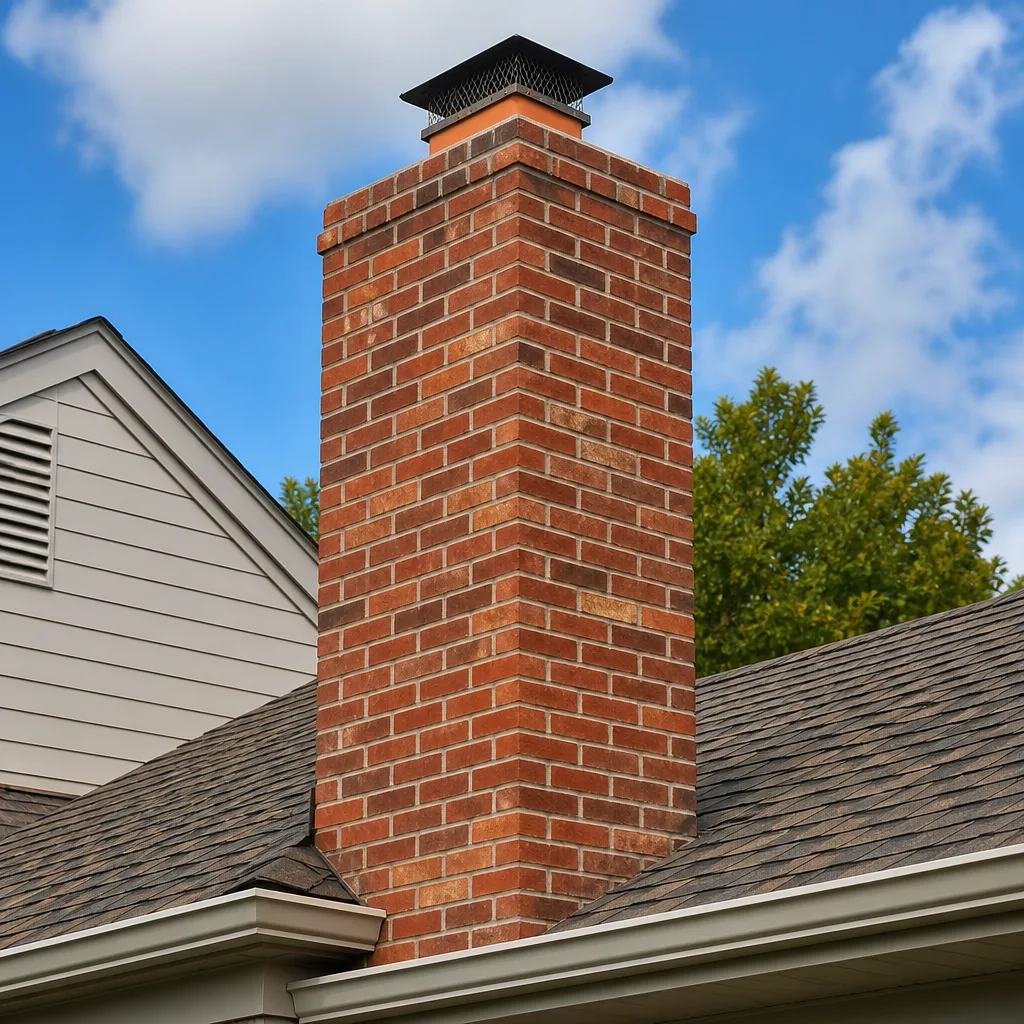 Masonry repair
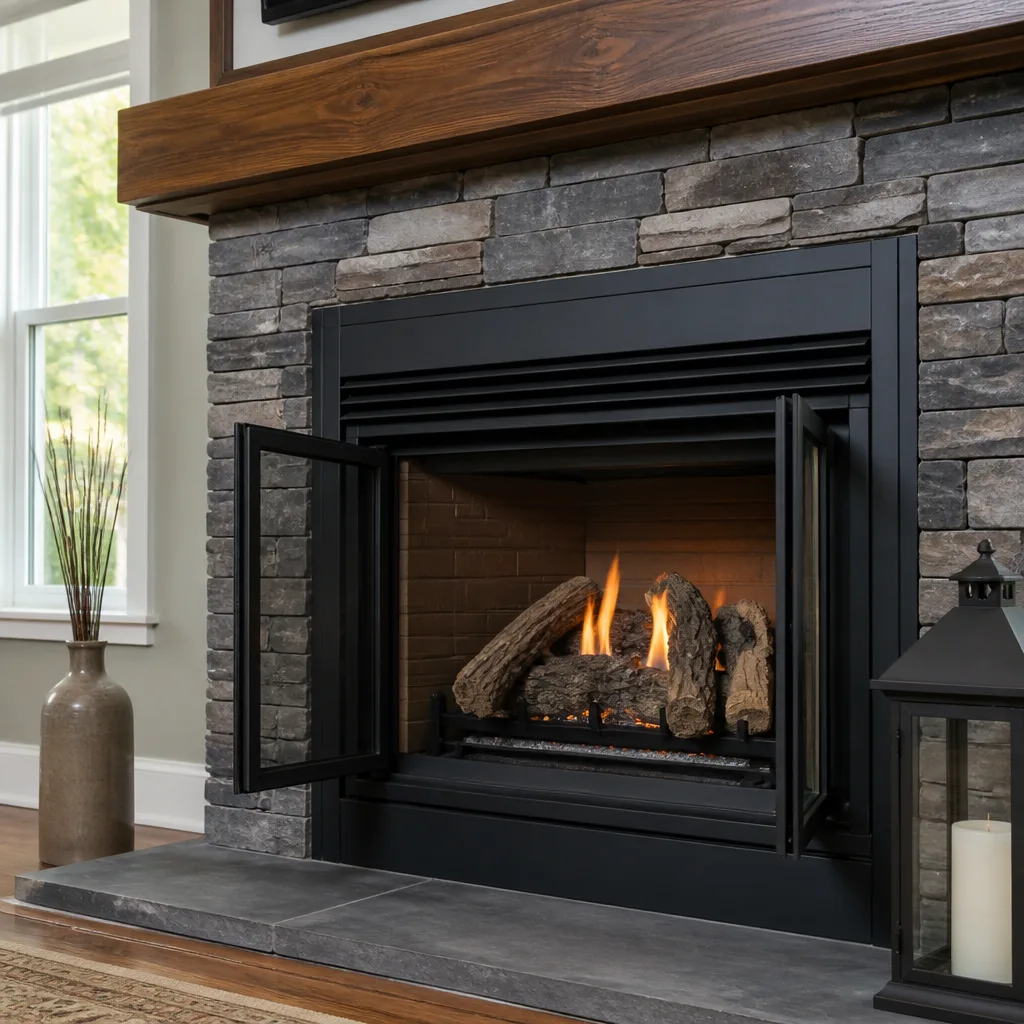 Gas fireplace service
Level 1 sweep and inspection to the NFPA 211 annual standard - flue, crown, cap, and flashing checked and photographed
Chimney sweep logs do not sweep chimneys. They loosen some creosote - which then falls where a brush and vacuum still have to collect it.
Chimney Cleaning Warning Signs: An Indio Homeowner’s Reference Guide
A smoky fireplace isn’t always a dirty chimney. It could be a pressure problem, a blocked damper, or a negative air pressure issue from a tightly sealed home. Knowing the difference between warning signs that require emergency service and those that need a routine cleaning is how you avoid both panic calls and ignored hazards. This guide walks through each warning sign in specific, observable terms so Indio homeowners can make an accurate call about urgency without second-guessing themselves, and you can explore more guides & resources for ongoing maintenance. If you run a fireplace in the Coachella Valley, you’ll learn what’s normal, what’s not, and exactly when to pick up the phone.
Styles & brands we work with
- Sweep & inspection
- Caps & crowns
- Flue relining
- Masonry repair
- Gas fireplace service
Quick Answer
Chimney cleaning warning signs in Indio include visible creosote buildup (shiny, tar-like, or puffy black deposits), a strong campfire-like odor that lingers when the fireplace is cold, smoke entering the room instead of drafting up, dark oily stains above the firebox opening, and fine desert dust accumulation that blocks airflow even without wood burning. Stage 1 creosote is routine; stage 2 or 3 creosote requires specialized removal. Any smoke backdraft or strong odor combined with visible buildup warrants a professional inspection before the next burn.
Table of Contents
- Creosote Stages: What You’re Actually Looking At
- Smoke Backdraft: Chimney Problem or House Pressure Problem?
- Odors That Signal Trouble: Cold Fireplace Smells Decoded
- The Dark Oily Stain Above the Firebox: The Most Underreacted-To Sign
- Mortar Cracks: Settling vs. Structural Compromise
- Desert-Specific Accumulation: When Indio Dust Becomes a Fire Hazard
- Poor Draft and Slow Ignition: Early Indicators Homeowners Miss
- After Wind and Rain: Storm Damage Checks Specific to Indio
- Common Mistakes to Avoid
- When to Call a Professional
- Frequently Asked Questions
- The Bottom Line
Creosote Stages: What You’re Actually Looking At
Creosote isn’t one substance. It forms in three distinct stages, and each requires a different level of response. Homeowners in Indio who burn wood regularly, especially during the cooler desert nights from November through February, should know how to distinguish what they’re seeing. The difference between stage 1 and stage 3 creosote is the difference between a routine sweep and a specialized chemical treatment or mechanical removal process.
Stage 1 creosote is a fine, flaky, grayish-black dust. It brushes off easily. This is what a standard chimney sweep removes. If you shine a flashlight up the flue and see a light coating of soot that looks like powdered charcoal, that’s stage 1. A Chimney Sweep in Indio handles this with standard brushes in a single visit.
Stage 2 creosote looks different. It’s crunchy, bubbly, or honeycomb-textured. It appears as black flakes that have hardened into a granular crust. Stage 2 doesn’t brush off with standard sweeping alone. It typically requires rotary loop tools or chemical treatment to break down before mechanical removal. If you see black, popcorn-like chunks in your fireplace after a burn, you’re looking at stage 2.
Stage 3 creosote is the one that concerns professionals most. It’s glossy, tar-like, and hardened. It looks like a black glaze coating the flue interior. Stage 3 creosote is highly concentrated fuel. It burns at extremely high temperatures once ignited and is the primary cause of chimney fires that reach structural damage. If you tap the flue wall and it sounds like glass, or if you see a shiny black coating, do not burn again until it’s professionally removed.
Why do some Indio homes develop stage 3 creosote faster than others? Burn temperature. Slow, smoldering fires, unseasoned wood, and restricted air supply all lower flue gas temperatures. Cooler flue gases condense creosote faster. Desert nights drop sharply after sunset, and that temperature differential between a warm firebox and a cold exterior flue accelerates condensation. It’s a physical process, not a maintenance failure, but it means Indio homeowners should inspect more frequently than occasional burners in milder climates might.
How to Check Your Creosote Stage (Safely)
- Wait until the fireplace has been cold for at least 24 hours.
- Put on safety glasses and a dust mask.
- Open the damper fully and shine a bright flashlight up the flue.
- Scrape the flue wall gently with a fireplace poker or metal ruler.
- If the deposit flakes off as dust, that’s stage 1. If it resists or peels in chunks, that’s stage 2. If it’s glossy and hard, that’s stage 3.
- Close the damper and wash your hands thoroughly. Creosote is an irritant.
This is a diagnostic check, not a cleaning. Any stage beyond 1 means a professional should take the next step. We’ve had Indio homeowners call us after this test saying they had “a little soot” when what they actually had was a quarter-inch of stage 3 glaze across the smoke shelf.
Smoke Backdraft: Chimney Problem or House Pressure Problem?
When smoke pours into the room instead of rising up the chimney, most people assume the flue is blocked. Sometimes it is. But often it’s not. A backdraft event means the chimney can’t pull air upward, and the cause splits into two categories: chimney-side problems and house-side pressure problems. Knowing which one you’re dealing with changes the fix entirely.
Chimney-side causes are what most homeowners expect. A blocked flue from a bird nest, a collapsed clay tile liner, heavy creosote narrowing the passage, or a damper that won’t fully open. These are physical obstructions. In Indio, birds are a real factor. Swallows and sparrows nest in uncapped chimneys during spring, and those nests dry out into highly flammable material by fall. If you’ve never had a chimney cap installed, a nest is a plausible cause of sudden backdraft.
House-side causes are the ones people miss. Modern homes in Indio are sealed tight for HVAC efficiency. Double-pane windows, weatherstripped doors, and spray-foam insulation all reduce air infiltration. When you run a bathroom exhaust fan, a kitchen range hood, or a clothes dryer, those appliances pull air out of the house. A fireplace needs replacement air to draft. In a tightly sealed home, the fireplace loses that competition. The result is a backdraft even with a perfectly clean flue.
How do you tell which one you’re dealing with? Try this test. Open a window near the fireplace about two inches. If the smoke starts drafting up within thirty seconds to a minute, the issue is house air pressure, not the chimney. If opening the window doesn’t change anything, the flue itself has a blockage or structural issue. This is worth knowing because the first problem doesn’t require a chimney repair at all, and the second problem absolutely does.
Recurring backdraft, regardless of cause, means creosote and carbon monoxide are entering your living space. That’s not a maintenance issue to postpone. A Chimney Repair in Indio inspection identifies whether the fix is a cap, a liner, or simply a damper adjustment.
Odors That Signal Trouble: Cold Fireplace Smells Decoded
Every fireplace has a smell. The question is what kind of smell and when you notice it. A faint wood-smoke scent right after a fire is normal. A strong, persistent campfire odor when the fireplace is cold, especially in summer when the air conditioner runs, is a diagnostic clue worth taking seriously.
Campfire smell that gets stronger with humidity. Creosote absorbs moisture from the air. When Indio gets its rare but real humid days, especially during late summer monsoon patterns, creosote deposits swell and release odor. A strong smell during humid weather means there’s enough creosote buildup to be absorbing and releasing moisture. That’s at minimum a stage 2 situation.
Acrid, chemical, or bitter smell. Stage 3 creosote has a distinct odor that’s sharper than normal wood smoke. It smells almost like tar or asphalt. If you catch that note when the fireplace is cold, you’re smelling concentrated creosote glaze. That fireplace should not be used until it’s professionally cleaned.
Musty or mildew smell. Water is entering the chimney somewhere. In Indio, that might seem unlikely given the aridity, but cracked crowns, damaged flashing, and missing chase covers all allow the occasional rain event to penetrate. Water plus creosote produces a distinctly unpleasant odor, and water plus masonry accelerates structural deterioration.
Animal smell. A dead animal in the chimney, or active nesting, produces a smell you won’t mistake for anything else. Birds, squirrels, and rats all find their way into uncapped chimneys. An animal carcass is both an odor problem and a mechanical obstruction.
None of these odors resolve themselves. Each points to a specific condition that gets worse with time. The fix starts with identifying which odor you’re smelling, then having the flue inspected and cleaned accordingly. The Chimney Sweep Indio home page covers what a full inspection includes if you want to understand what happens during that visit.
The Dark Oily Stain Above the Firebox: The Most Underreacted-To Sign
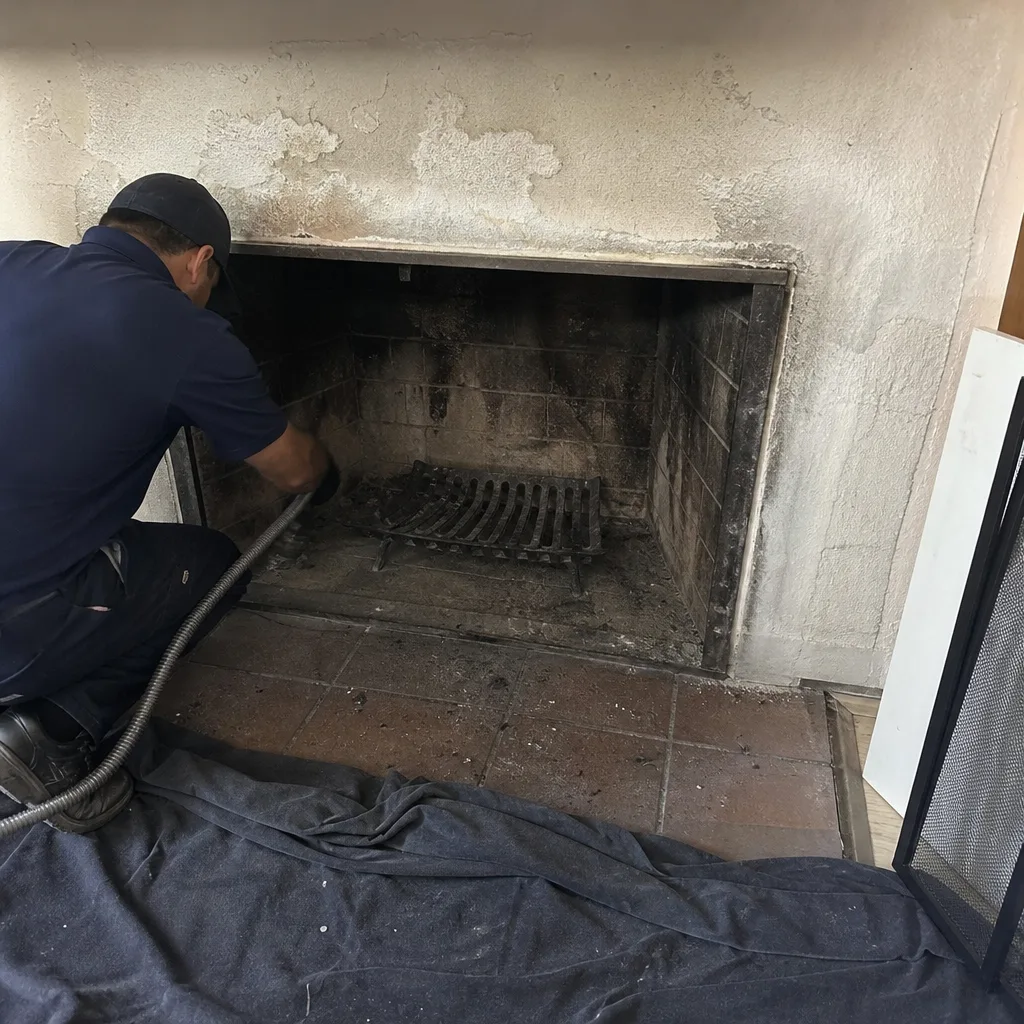
There’s a specific visual indicator that chimney professionals look for immediately, and homeowners almost always overlook: a dark, oily stain on the fireplace face above the opening, or on the mantel, or on the wall above the fireplace. This stain isn’t cosmetic. It’s condensation from flue gases leaking back into the living space.
Here’s what’s happening. A properly drafting chimney pulls combustion byproducts up and out. When the draft is weak, the flue is partially blocked, or the damper is partially closed, those gases linger. They cool against the interior masonry and condense. That condensation carries creosote compounds with it, which absorb into the porous brick, stone, or drywall above the firebox. The result is a dark, sticky residue that comes back after cleaning.
Why do homeowners underreact to this? Because it builds gradually. A little darkness above the fireplace reads as normal aging of the masonry. It’s only when someone points out the oily texture, or when light-colored paint develops a stubborn brown stain, that it becomes obvious something is backflowing.
This stain matters for two reasons. First, it demonstrates that combustion gases including carbon monoxide are entering the living space at some level. Second, it indicates a draft problem that will only worsen as creosote continues to accumulate. Wiping the stain off is treating the symptom. The flue condition itself is the problem.
If you have this stain, the sequence is straightforward: stop using the fireplace, have the flue inspected, have it cleaned if needed, and have the draft issue diagnosed. We repair this condition regularly in Indio homes, and the fix is usually straightforward once the underlying flue condition is addressed. Materials matter for this repair. When flue gases have been condensing, the liner often needs attention, which is why we use products like DuraFlex flexible liner systems when relining is required, as covered in our guide on Choosing the Right Chimney Cleaning Brand: A Buyer’s Guide for Indio.
Mortar Cracks: Settling vs. Structural Compromise
Masonry moves. Every chimney in Indio sits on soil that expands and contracts with temperature shifts, and every chimney experiences some degree of settling. Cracks in mortar joints are not automatically a problem. But certain crack patterns are, and knowing the difference saves you either unnecessary repair costs or ignored structural decline.
Normal settling cracks are hairline, uniform in width, and run in a straight or stair-step pattern along mortar joints. They don’t widen over time. They don’t allow water penetration if the crown and flashing are intact. Many chimneys in Indio have these and function safely for decades.
Structural compromise cracks look different. They’re wider than 1/8 inch. They run through bricks, not just around them. They’re accompanied by spalling, which is the flaking or popping off of brick faces. They often appear after a rain event, indicating water has penetrated and caused expansion damage. In the Indio climate, where rain events are infrequent but occasionally intense, water-damaged masonry progresses in visible stages after each storm.
Active water infiltration signs include white mineral deposits on the brick (efflorescence), damp spots that persist after rain, and rust stains where metal components meet masonry. Any of these means water is traveling through the structure, not just sitting on the surface.
The diagnostic approach is to monitor. Take a photo of any crack you notice. Same angle, same lighting, every three months. If the crack is unchanged after a year, it’s likely settling. If it’s widened, darkened, or developed efflorescence, it’s active. A professional masonry inspection with a moisture reading is the next step. Repointing mortar joints is routine work. Rebuilding compromised sections is structural work. Calling the right one matters because untreated water damage eventually affects the flue liner itself, and that’s a much bigger repair.
When we do chimney repairs in Indio, we use materials specified for the job. Famco and Olympia Chimney products are part of that toolkit because flashing, caps, and chase covers need to match the existing system’s specifications, not be adapted on-site from generic stock.
Desert-Specific Accumulation: When Indio Dust Becomes a Fire Hazard
The Coachella Valley has a dust problem that most chimney guides don’t address. Fine particulate from the open desert moves constantly. It settles into everything including your chimney flue. Indio homeowners who never burn wood can still develop airflow obstructions from accumulated dust, and dust plus creosote creates a compound problem that burns differently than creosote alone.
How does this happen? Wind-driven dust enters the flue through uncapped or poorly capped chimneys. Even with a cap, the smallest particulates find their way in. Inside the flue, dust settles on the rough creosote-coated surfaces. It mixes with creosote to form a denser, drier deposit. Dry dust deposits block airflow and alter how the flue draws. They also insulate creosote, which sounds counterintuitive, but a dust layer can actually slow heat transfer through the flue wall and change the combustion characteristics of a chimney fire.
What does desert dust accumulation look like? Unlike creosote, which is black or dark brown, desert dust is tan, gray, or reddish. It smells earthy when the fireplace drafts poorly, not smoky. In a fireplace that’s been unused for a season, you’ll see it as a fine layer across the firebox floor and damper. In the flue, it attaches to walls and forms a light-colored crust that looks nothing like creosote, which is part of why homeowners miss it.
Why it still blocks airflow: dust accumulation narrows the flue passage. In an 8×13 clay tile flue, a quarter-inch of dust and creosote combined reduces the passage by about 15%. It also alters the flue’s draft characteristics because the surface roughness changes. For a fireplace that already drafts weakly, that’s enough to tip it into backdraft territory.
The fix is straightforward. A standard chimney sweep removes dust and creosote together. The sweep doesn’t differ dramatically because dust brushes out similarly to stage 1 creosote. But the schedule might differ. Indio homeowners who burn occasionally but live with constant dust exposure may need cleaning as often as heavy wood burners in other regions. It’s a local condition worth planning for. We include a full flue inspection with every sweep, so if dust has mixed with creosote into a harder deposit, we identify that and address it with the appropriate method on the same visit. For a complete schedule, see our Chimney Sweep Maintenance Checklist for Indio Homeowners.
Poor Draft and Slow Ignition: Early Indicators Homeowners Miss
Some warning signs aren’t dramatic. They show up as minor annoyance rather than obvious hazard. A fireplace that’s hard to light, that smolders instead of flames, that needs constant attention to keep burning, or that leaves the room smelling faintly smoky after the fire is out. These are all draft problems, and draft problems are usually flue problems.
A healthy fireplace draft pulls air up the flue at a rate that feeds the fire and carries combustion gases out. When the flue is partially obstructed, when creosote has built up enough to change the internal dimensions, or when the chimney is too short for the roofline, the draft weakens. The fire burns cooler. Cooler fires create more creosote. More creosote weakens the draft further. It’s a cycle that compounds.
Slow ignition can also be a damper issue. A damper that doesn’t open fully, or a throat damper that’s warped or rusted, restricts the flue passage even when the flue itself is clean. In Indio, where low humidity usually protects metal damper components from rust, the more common problem is creosote buildup around the damper frame that prevents it from opening completely.
Another factor: chimney height and cap configuration. A chimney that terminates below the roof peak or too close to a taller adjacent structure will draft poorly in certain wind conditions. Indio’s prevailing winds shift seasonally, and a fireplace that drafts fine on a calm night may struggle during a windy afternoon. An experienced chimney technician evaluates draft as a system issue, not just a cleanliness issue.
If your fireplace has always drafted fine and suddenly doesn’t, that’s a change worth investigating. Something has changed inside the flue. The most likely candidates are creosote accumulation, an animal nest, or a developing liner problem. None of those resolve without intervention.
After Wind and Rain: Storm Damage Checks Specific to Indio
Indio doesn’t get much rain, which is exactly why rain damage tends to be more consequential when it does arrive. Chimneys in wetter climates experience regular water exposure and are often built and maintained with that in mind. Chimneys in Indio go months without moisture, then take a sudden downpour. The materials contract, then absorb water rapidly. The damage pattern is different.
After any significant rain event, check these things:
- The chimney crown. Look for new cracks or widening of existing cracks. The crown is the concrete cap at the top of the chimney structure. Water penetration through a cracked crown is the most common starting point for chimney damage.
- The flashing. Flashing is the metal seal where the chimney meets the roofline. After wind-driven rain, water can work under damaged or improperly installed flashing. Look for water stains on interior ceilings near the chimney chase.
- The firebox interior. If water has entered the flue, you’ll see dark water streaks down the firebox walls, or you’ll hear dripping, or you’ll notice a damp smell when you open the damper.
- The damper. Water sitting on a metal damper causes rust, and rusted dampers become difficult to operate and eventually need replacement.
- Exterior masonry. Look for efflorescence, the white mineral deposit that appears when water moves through masonry and evaporates. Post-rain efflorescence is a clear sign of water intrusion.
One Indio-specific note: wind storms here carry sand and dust that can erode chimney caps and chase covers. Metal components that face the prevailing wind take a sandblasting effect over time. Check for pitting or thinning on exposed metal surfaces. A damaged cap is an entry point for birds and debris, and a damaged chase cover lets water directly into the flue system.
If storm damage is suspected, the inspection priority is water entry points first, structural integrity second, and flue condition third. Water damage that’s caught early is repairable with materials like Gelco waterproofing systems applied to the crown and masonry. Water damage that’s ignored becomes a flue liner replacement.
Common Mistakes to Avoid
- Burning a “hot fire” to clean the chimney. This is dangerous mythology. A hot fire does not burn away creosote. It can ignite stage 3 creosote and cause a chimney fire. The only safe way to remove creosote is mechanical cleaning by a professional.
- Using Creosote Sweeping Logs as a replacement for sweeping. These products can reduce stage 1 creosote buildup, but they don’t remove stage 2 or 3, and they don’t inspect anything. They’re a supplemental measure at best, and in Indio’s dusty environment, they don’t address dust accumulation at all.
- Ignoring odors because “it only smells when it’s humid.” Odor that appears with humidity means creosote is present and absorbing moisture. That’s a condition to address, not a quirk to live with.
- Assuming a new home’s chimney is clean because the inspection report didn’t flag it. Standard home inspections are visual and limited. They don’t include flue camera inspection. Many Indio homeowners buy homes with chimneys that haven’t been professionally swept in years.
- Closing the damper too soon after a fire. Dampers should close only after the fire is completely out and embers are cold. Closing early traps warm, moist combustion gases in the flue, which accelerates creosote condensation.
- Burning unseasoned wood because “it’s the desert and everything dries fast.” Wood needs proper seasoning regardless of climate. Green wood burns cooler and produces far more creosote than properly dried wood.
- Treating dryer vent and chimney as unrelated maintenance. They’re both combustion exhaust systems. A clogged dryer vent and a dirty chimney are the same category of problem: airflow obstruction and fire risk. If you’re addressing one, the other deserves a look. Dryer Vent Cleaning in Indio is the same call, and the same technician can evaluate both systems.
When to Call a Professional
Specific scenarios warrant a professional visit rather than continued observation. Call when you see stage 2 or stage 3 creosote, as described above. Call when smoke enters the living space during a fire, even once. Call when you have a dark oily stain above the firebox. Call when you smell strong campfire odor with the fireplace cold. Call when you’ve had an animal in the chimney, dead or alive. Call when storm damage is suspected after rain or high wind. Call when the fireplace has been used for a season or more without professional cleaning. Call when you’re buying a home with an existing fireplace and want a real flue inspection before your first fire. Chimney Sweep Indio offers free estimates in Indio – call (877) 378-2419 and we’ll schedule a full flue inspection with camera evaluation. You’ll get an honest answer about what your chimney needs, and just as honestly, what it doesn’t.
Frequently Asked Questions
A standard chimney sweep in Indio typically ranges from $150 to $300 depending on the flue condition, the level of creosote present, and whether the chimney has been recently maintained. Stage 3 creosote or a chimney that hasn’t been cleaned in years costs more because it requires specialized mechanical or chemical removal. Call (877) 378-2419 for an exact quote – estimates are free.
The National Fire Protection Association standard is to have the chimney inspected annually and swept when creosote reaches 1/8 inch or more. For Indio homeowners who burn wood regularly during winter months, that usually means an annual sweep. For occasional burners, every other year may suffice, but a visual inspection before each burn season is smart. Factors like burning unseasoned wood, slow smoldering fires, or heavy dust accumulation can shorten the interval.
Not always. Hairline cracks in clay tile liners are sometimes repairable with a resurfacing system like HeatShield, which we install for qualified candidates. Significant cracks, collapsed sections, or improper original sizing are different. Those require a new liner, and for most Indio homes, a DuraFlex flexible stainless steel liner is the code-compliant solution. The only way to know is a camera inspection of the flue. We never recommend liner replacement without showing you the video evidence.
Creosote accumulates, narrows the flue passage, and eventually becomes a fuel source. Chimney fires burn at extremely high temperatures and can crack the flue liner, damage the masonry, and spread to the home structure. In the less dramatic but more common scenario, a partially blocked flue causes backdrafting, which brings carbon monoxide and smoke into the house. Skipping cleaning doesn’t just risk a visible fire, it risks ongoing invisible exposure.
That’s creosote odor releasing with humidity. Creosote absorbs moisture from the air, even in Indio’s generally dry climate. When humidity rises, the creosote deposits swell and release their characteristic smell. The fix is a professional sweep to remove the creosote, and then resolving whatever is allowing the odor to enter the house, which could be a damper issue or a pressure imbalance. The smell is a symptom of buildup, not something to mask with air fresheners.
Desert dust alone doesn’t cause chimney fires, but it compounds the risk. Dust mixes with creosote to form a denser, drier deposit that narrows the flue passage and changes heat transfer through the flue. Reduced airflow means cooler flue temperatures, which means more creosote condensation. The dust itself is a maintenance issue that reduces draft quality and accelerates the dangerous accumulation cycle. Regular cleaning removes both dust and creosote together.
The Bottom Line
A fireplace is a combustion appliance, and like any combustion appliance, it needs maintenance on a schedule and attention when it misbehaves. The warning signs in this guide aren’t ambiguous if you know what to look for. Creosote stages are visually distinct. Backdraft has two causes and a simple diagnostic test. Odors point to specific conditions. Oily stains mean gas condensation, which means a draft problem. Mortar cracks are either stable or active, and you can track them with photographs. Indio’s dust and weather add local factors worth factoring into your maintenance schedule. Trust what you see, don’t trust folklore about hot fires or sweeping logs, and when the sign says the chimney needs professional attention, that’s the time to make the call. A clean chimney and a safe dryer vent are the same category of problem: combustion risk. Both deserve the same level of attention.
Written by the team at Chimney Sweep Indio, serving Indio since 2015.
See the difference
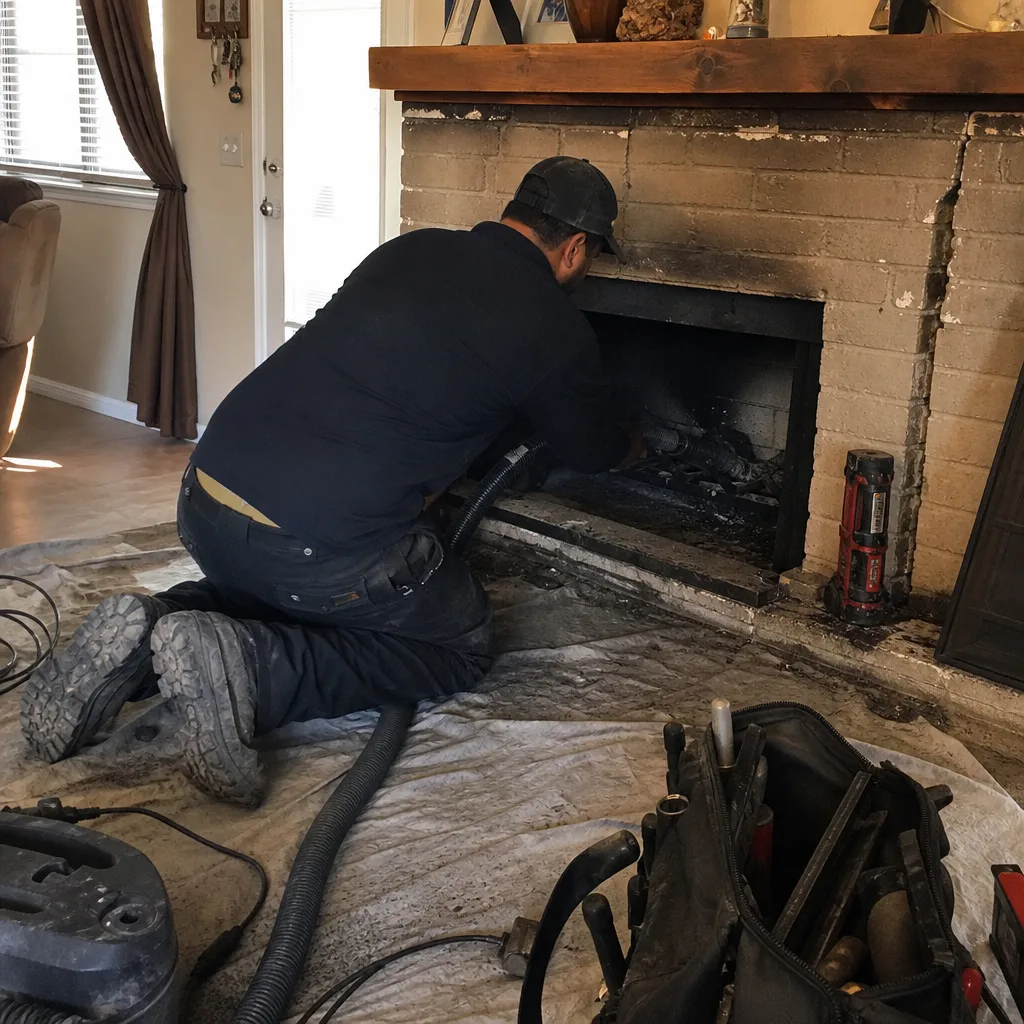 Before
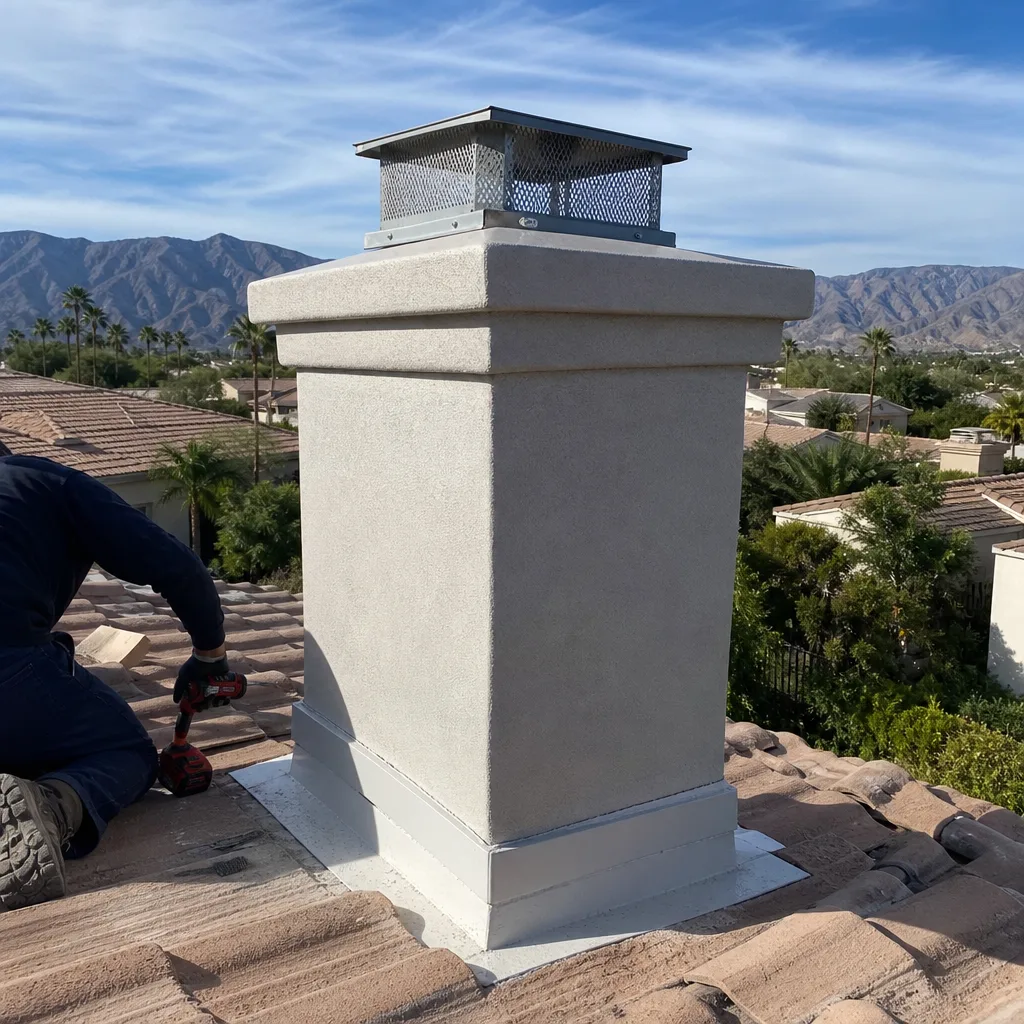 After
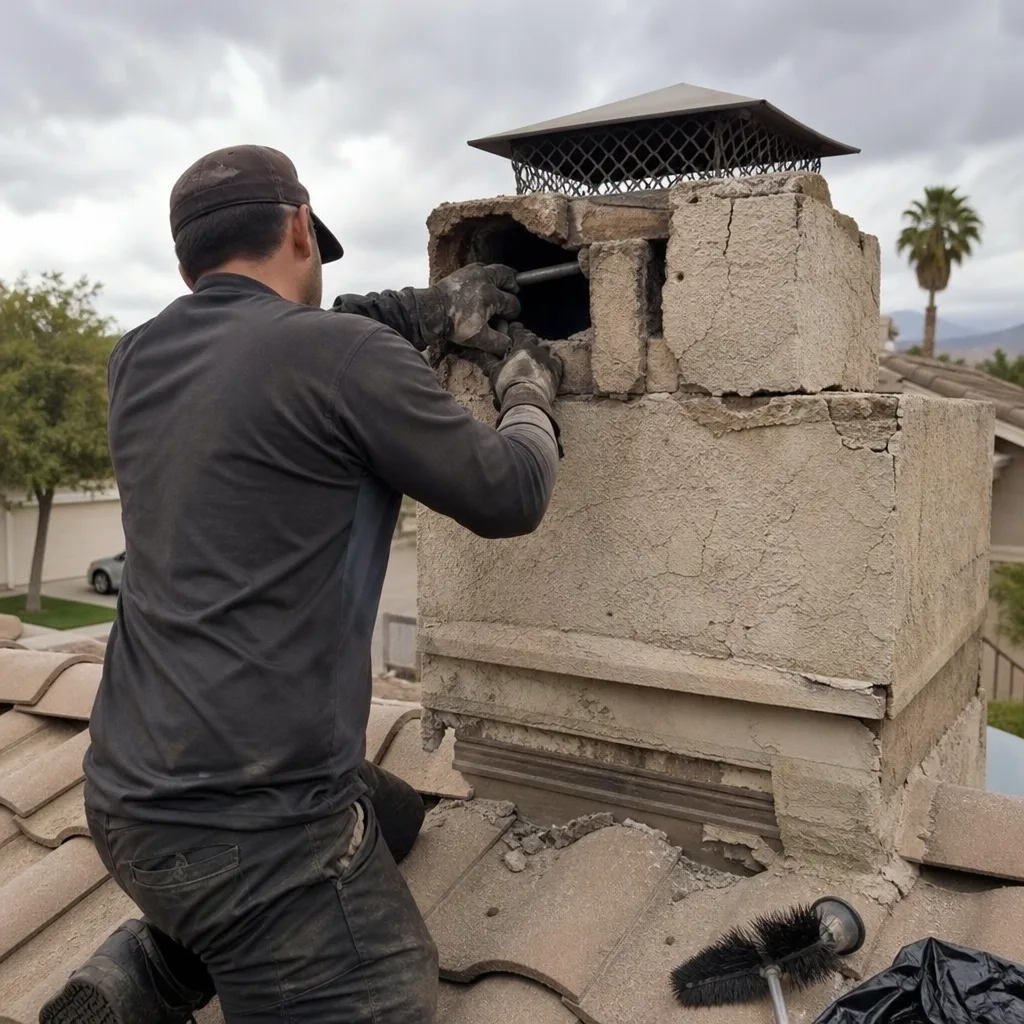 Before
 After
 Before
 After